

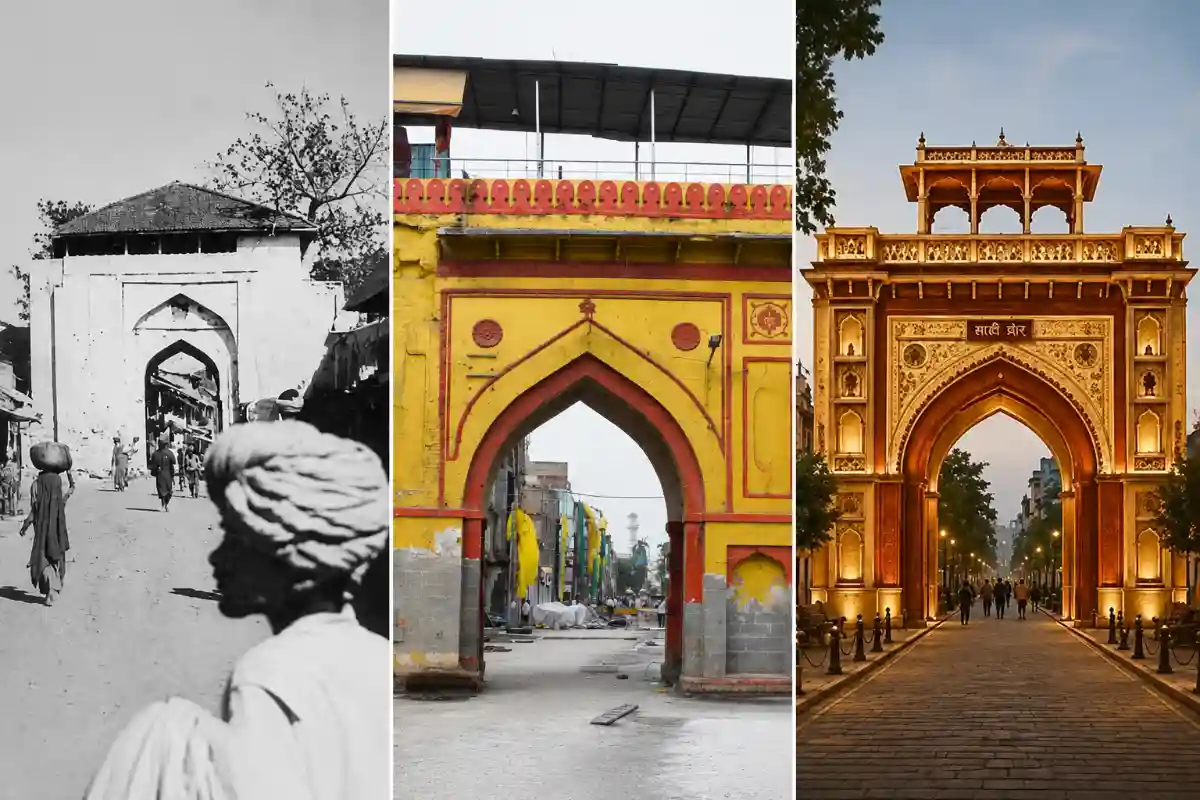
Akbar's wall and the five gates of Ujjain
After Akbar ended Baz Bahadur's control over Malwa and established Mughal authority in the region, he had a city wall constructed for the defense of Ujjain. The Nadi Darwaza, Kaliadeh Darwaza, Sati Darwaza, Dewas Darwaza and Indore Darwaza were the various entrances to the city.
Each gate was named for its direction or destination. Indore Darwaza faced the road toward Indore. Dewas Darwaza toward Dewas. Nadi Darwaza toward the river. Sati Darwaza likely took its name from the Sati Mata site near it. The wall itself is gone centuries of expansion swallowed it but the names held on. Today's Satigate carries that same identity forward.
Key facts at a glance
- Mughal city wall: built on Emperor Akbar's order for the defense of Ujjain
- Five gateways: Nadi Darwaza, Kaliadeh Darwaza, Sati Darwaza, Dewas Darwaza, Indore Darwaza
- Source: District Administration Ujjain historical record (ujjain.nic.in)
- 2026 discovery: an ancient gateway found buried inside Sati Mata temple during road-widening work
- Current work: road-widening from Kanthal Chowk through Sati Gate to Chhatri Chowk; Sati Mata Darwaza beautification and restoration proposed
- Religious significance: Baba Mahakal's Shahi Sawari (royal procession) passes through this route
1658: the battle near the gate
Mughal-era Ujjain's Sati Darwaza was not just an entry point. The city around it witnessed some of the sharpest moments of 17th-century Mughal history.
In 1658, a battle took place near Ujjain in which Aurangzeb and Murad defeated Maharaj Jaswant Singh of Jodhpur, who was fighting on behalf of Prince Dara. The actual scene of the battle was Dharmatpura, renamed Fatehabad by Aurangzeb after the victory. The cenotaph of Raja Rattan Singh of Ratlam, who fell in the battle, still stands at the site.
This battle happened while Akbar's city wall with Sati Darwaza as one of its gates was still standing. The history of this stretch of Ujjain runs in layers.
May 2026: the buried gate surfaces
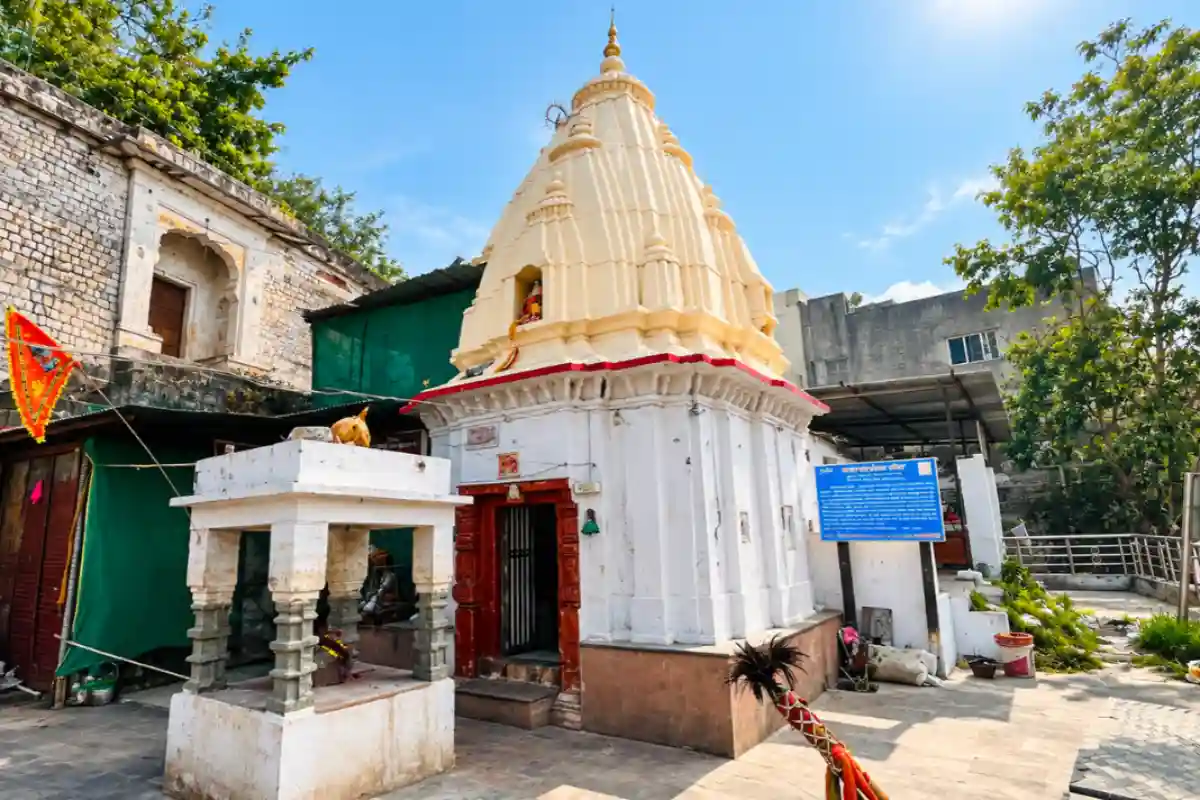
As part of Simhastha 2028 preparations, the Nagar Nigam began road-widening from Kanthal Chowk through Sati Gate to Chhatri Chowk. During this work in May 2026, an ancient gateway emerged from inside the Sati Mata temple complex buried under years of construction material, invisible to anyone passing by.
The Nagar Nigam announced it would be preserved. The archaeology department was asked to assess its historical significance. The process of that assessment was set in motion. [Note: verify current status of the archaeology department's assessment before publishing.]
This kind of discovery is not unusual in Indian cities with long histories but in Ujjain, where the city is thousands of years old, every major infrastructure project carries that possibility. The Sati Gate find is a direct piece of the Mughal-era defensive wall that the district administration's own historical record describes.
Mahakal's Shahi Sawari and the Sati Gate route
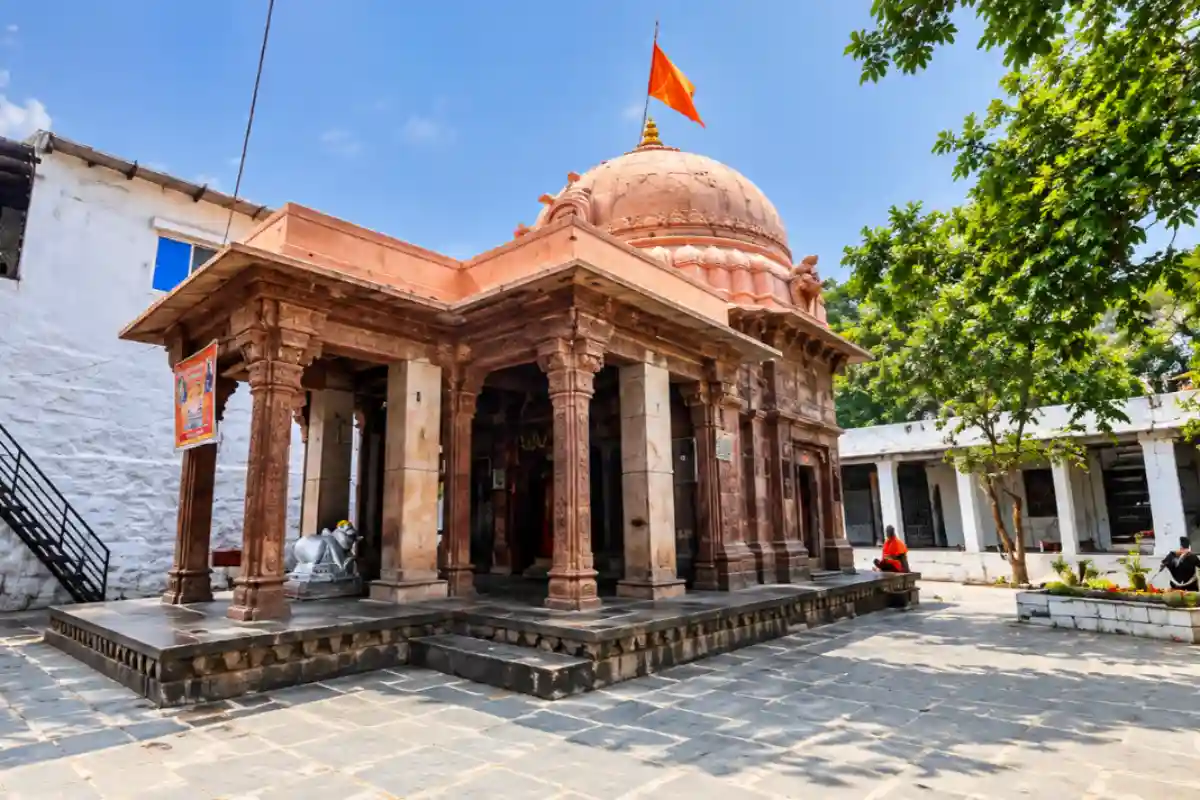
Sati Gate carries a specific religious weight today: Baba Mahakal's Shahi Sawari (royal procession) passes through this route. This road is not just a traffic corridor it is part of MahakaleshwarExplore the divine Mahakaleshwar Jyotirlinga in Ujjain. temple's religious calendar.
That is why the work here has been treated with urgency. The Nagar Nigam Commissioner directed that road-widening and construction work from Kanthal Chowk through Sati Gate to Chhatri Chowk be accelerated with both day and night shifts running.
Along with road-widening, beautification of the ancient Shri Sati Mata Darwaza is also proposed. The Chief Minister reviewed the design prepared for this and took stock of the development plan from officials.
Sati Gate is to be restored to its historic appearance the Mughal-era identity that faded over centuries is the one being brought back.
Sati Gate: then and now
In the Mughal period, Sati Darwaza was the city's edge stepping through it meant leaving Ujjain's walled perimeter. Today Sati Gate is a node in a busy urban corridor: Kanthal, Bada Sarafa, Chhatri Chowk, Gopal Mandir all run along the same axis.
The name is the same. And the name is where the history lives.
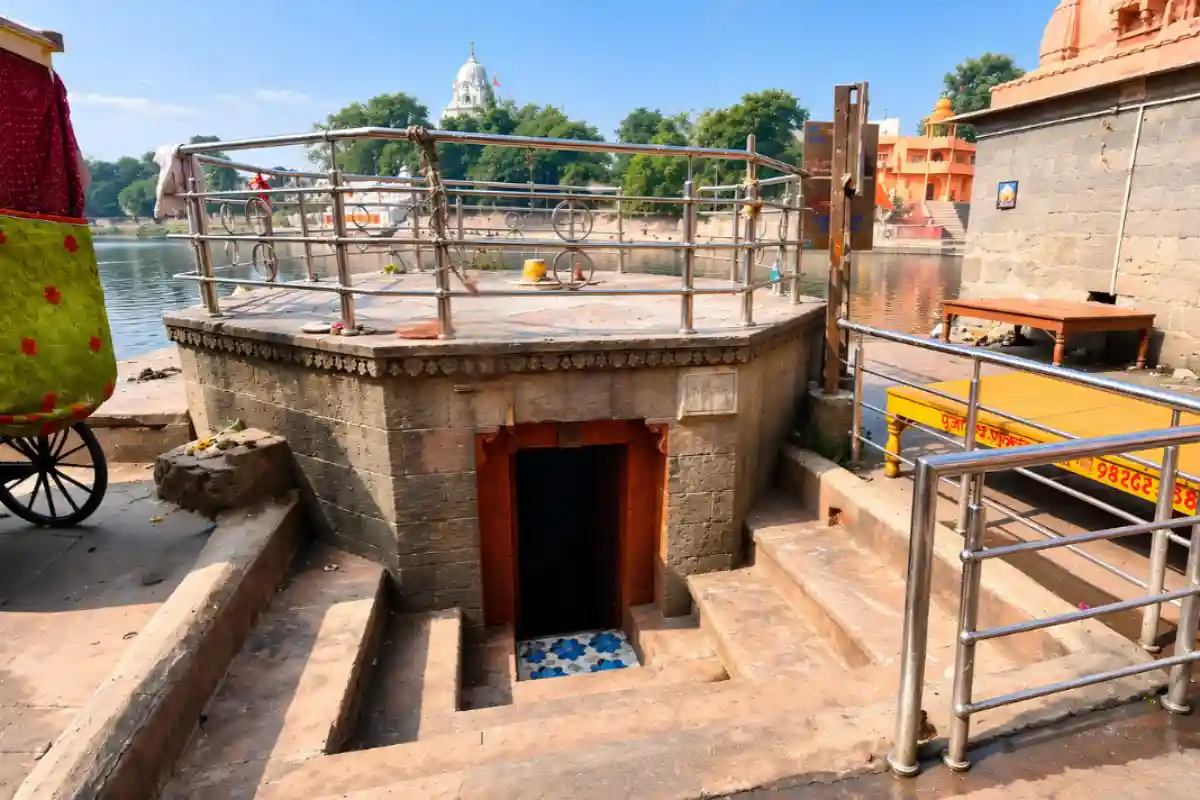
The Sati Mata temple complex is where the buried ancient gateway was found in 2026 worth seeing while the archaeology assessment is underway. Nearby: Bada Sarafa (Ujjain's silver and gold jewellery market, active in evenings) and Chhatri Chowk. On the days of Mahakal's Shahi Sawari, this entire stretch draws the largest crowds in Ujjain.
Comments
No comments yet. Be the first to share your thoughts!
Leave a Comment