

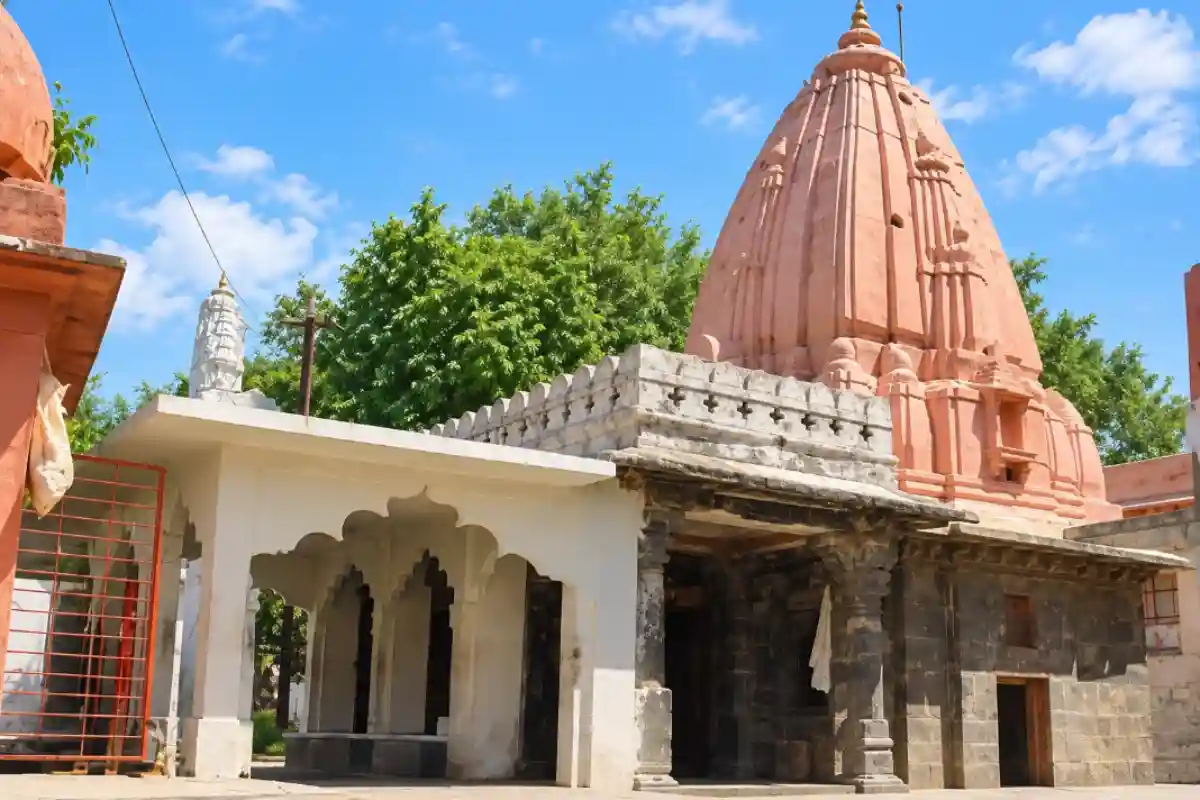
What is Siddheshwar Mahadev in Ujjain?
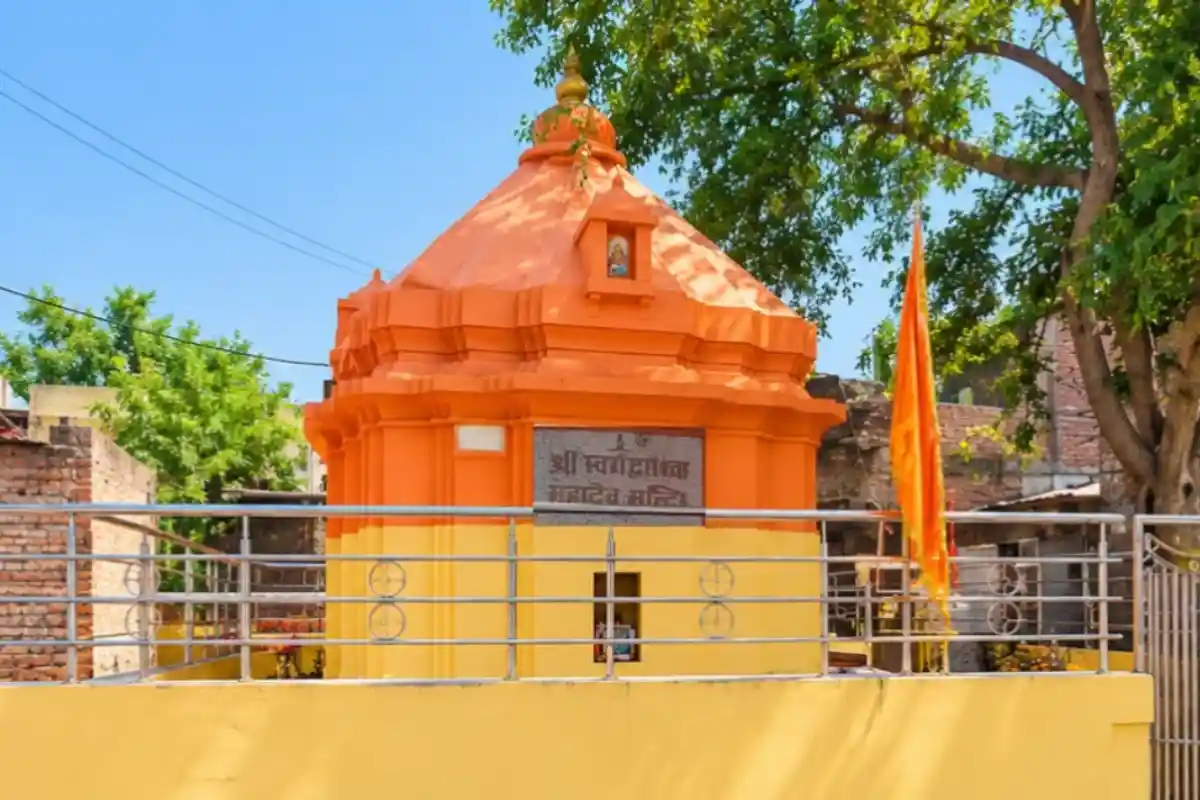
Siddheshwar Mahadev is the eleventh of Ujjain's 84 Mahadev lingas. Its story is in the Skanda Purana, Avantya Khanda, chapter 11 of the Chaturashiti Linga Mahatmya. Yogi brahmins who could not win spiritual powers through penance gained the greatest siddhi by visiting this linga in Mahakalavana, and it took the name Siddheshwar.
The name joins siddha and Ishwara. The Purana explains it through the story itself: those who visited the linga gained siddhis.
Tradition places the linga near the entrance of the Siddhanath (Siddhavat) temple at Bhairavgarh, on the Siddhanath ghat side.
At a glance
- The brahmins' penance failed, and they began to doubt it.
- A voice with no body, not Shiva, sent them to Mahakalavana.
- Visiting the linga gave them the greatest siddhi.
- The text names Monday, the eighth and fourteenth lunar days, sun's transit and eclipse for worship.
Siddheshwar Mahadev: quick facts
| Topic | Detail |
|---|---|
| Meaning of the name | Lord (Shiva) of the siddhas, the one who grants siddhis |
| Deity | Shiva, in linga form |
| Source text | Skanda Purana, Avantya Khanda, Chaturashiti Linga Mahatmya, Chapter 11 |
| Position among the 84 Mahadevs | Eleventh |
| Narrator and listener | Shiva (Ishvara) speaking to the goddess |
| Places in the story | Devadaruvana (the penance), Mahakalavana (the linga) |
The shared "siddha" in the names suggests a link, but Siddhavat, the banyan tree and Shaktibheda tirtha on the Kshipra at Bhairavgarh, belongs to the Avanti Kshetra Mahatmya (Skanda Purana book 5.1). Chapter 11 on Siddheshwar, in book 5.2, mentions neither Siddhavat, the Shipra nor Bhairavgarh. The linga's present location is identified by tradition.
What is the story of Siddheshwar Mahadev in the Skanda Purana?
In the chapter, Shiva addresses the goddess and names the eleventh linga:
लिङ्गमेकादशं विद्धि देवि सिद्धेश्वरं शुभम् ।
वीरभद्रसमीपे तु सर्वसिद्धिप्रदायकम् ॥
Meaning: O goddess, know the auspicious Siddheshwar linga as the eleventh. It lies near Virabhadra and bestows all siddhis (Skanda Purana 5.2.11.1).
Yogi brahmins in Devadaruvana
Long ago, some brahmins in Devadaruvana practised yoga and competed with one another for spiritual powers. They tried every hard austerity and observance. Even after hundreds of years, no great siddhi came.
Doubt, and a turn away from penance
The brahmins began to think that the old sages' saying, that penance gives everything, was false. They decided the real means were something else: magic collyrium (anjana), a charmed pill (gutika), walking with special sandals (paduka), mastery of the sword, living in caves and the philosopher's stone.
They gave up penance and became agnostics and atheists.
The voice with no body
A voice with no body then spoke to them, consoling them as a mother consoles her own son. It told them what had cost them their power and where to go: to Mahakalavana, to worship the lord of the gods with a steady mind, because that god grants siddhis and an excellent siddhi comes simply from visiting him.
How the linga got its name
The brahmins went and visited the linga, and they gained the greatest siddhi. From then on, the deity became known as Siddheshwar.
Who gained what here
The chapter lists others who gained siddhis from the same linga:
- Sanaka and other yogi sages gained the greatest siddhi.
- King Vasuman gained the rare siddhi of the sword, through the mere sight of the linga.
- Haihaya gained paduka-gamana, travel with the transporting sandals, and the same son of Kritavirya gained a thousand vehicles (horses).
- Anuru (Aruna) gained the power of invisibility.
- Various other siddhas gained gold, padalepa, rasayana and anjana siddhis.
What does the Skanda Purana promise for worshipping Siddheshwar Mahadev?
The closing section of the chapter, the phalashruti, lists these results, in Shiva's own words:
- One who visits the linga regularly gains a siddhi cherished in the heart within six months.
- One who visits on the eighth and fourteenth lunar days, particularly in the dark half, will see Shiva's palace.
- One without a son obtains a son, a poor man gets wealth, a seeker of learning achieves learning, and one who seeks a wife gets a wife.
- One who worships the deity on the day of the sun's transit, on an eclipse day or on a Monday redeems a hundred members of his father's family, and then rejoices in Shiva's world as long as fourteen Indras reign.
- Even those who go to Siddheshwar incidentally, with emotional fervour, invariably become siddhas.
- Even one defiled by great sins who remembers Siddheshwar becomes a siddha, wise and prosperous.
Does the text mention water offerings or moksha?
The phalashruti speaks of seeing, visiting and remembering the linga. It does not mention an abhishek with water. It speaks of Shiva's palace and Shiva's world, not of moksha.
Which popular claims about Siddheshwar Mahadev don't match the text?
The story of Siddheshwar Mahadev is often retold with changes. These are the claims that do not match the Skanda Purana.
| Popular claim | What the Skanda Purana says | Status |
|---|---|---|
| A heavenly voice said the eleventh linga is near Virabhadra | Shiva says this to the goddess in verse 1; the voice only sends the brahmins to Mahakalavana | Contradicts the text |
| The voice came from Mahakalavana | No place is given for the voice | Not in the text |
| The story is set in Darukavana, with Shiva as a wandering mendicant | The forest is Devadaruvana, and the chapter has no mendicant episode | Contradicts the text |
| King "Vamuman" gained "khand siddhi" | King Vasuman gained the siddhi of the sword (khadga) | Contradicts the text |
| A thousand horses went to Kritavirya | They went to Kritavirya's son, Haihaya | Contradicts the text |
| Offering water on the dark-half Ashtami or Chaturdashi leads to Shivaloka | Visiting on these days, particularly in the dark half, lets one see Shiva's palace; no water offering is named | Partly in the text |
| The linga gives a "worthy son" and "pure knowledge" | It gives a son, wealth, learning or a wife; the words "worthy" and "pure" are not in the text | Partly in the text |
| The shrine is a centre of siddhi and moksha | The text speaks of siddhi and Shiva's world; the word moksha is not used | Later interpretation |
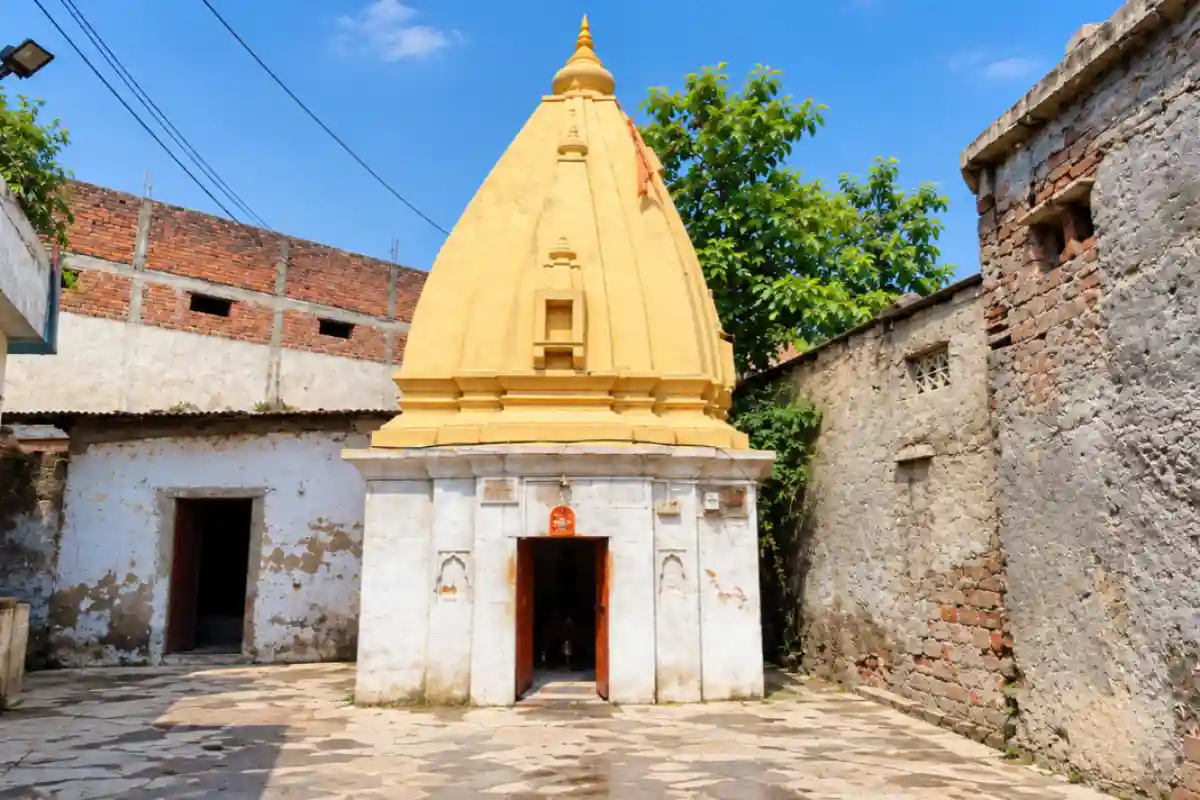
The 84 Mahadev list has a second Siddheshwar at number 59, said to stand in a lane behind the Gopal Mandir. The chapter 11 story of the brahmins of Devadaruvana belongs to the eleventh linga only. The 59th has its own story, so keep the two apart.
What else do people ask about Siddheshwar Mahadev?
What kinds of penance did the brahmins try?
The chapter lists many austerities of the brahmins of Devadaruvana. Some lived only on greens, some fasted, some ate leaves, and some pounded grain with their teeth or with a stone. Some sat in the heroic posture, some hung with feet up and head down over smoke, and some lived in the open sky.
Which faults does the voice blame, and which qualities does it praise?
The voice says penance loses its power through lust, egotism, anger, covetousness and delusion, and blames those who seek siddhis by rivalry. It praises one who does his duty without rivalry, lust or anger, stays focused, trusts God and the Vedas, and sees another's wife as a mother and another's wealth as a clod.
What are padalepa, anjana and rasayana?
In Tagare's translation, padalepa is smearing the feet, anjana is a magic collyrium that lets one see hidden treasures, and rasayana is the elixir of life. Along with a gold siddhi, the chapter says various siddhas gained all four by visiting Siddheshwar. These are three of the means the doubting brahmins had once chased.
Is today's temple the spot the Purana describes?
The identity of today's Siddheshwar Mahadev shrine rests on tradition. The Purana places the linga only "near Virabhadra," without saying whether that is a shrine, an image or the seat of Shiva's attendant. Tradition places it at the entrance of the Siddhanath temple, so the match with the text is a matter of faith.
Why is Siddheshwar the eleventh in Ujjain's 84 Mahadev order?
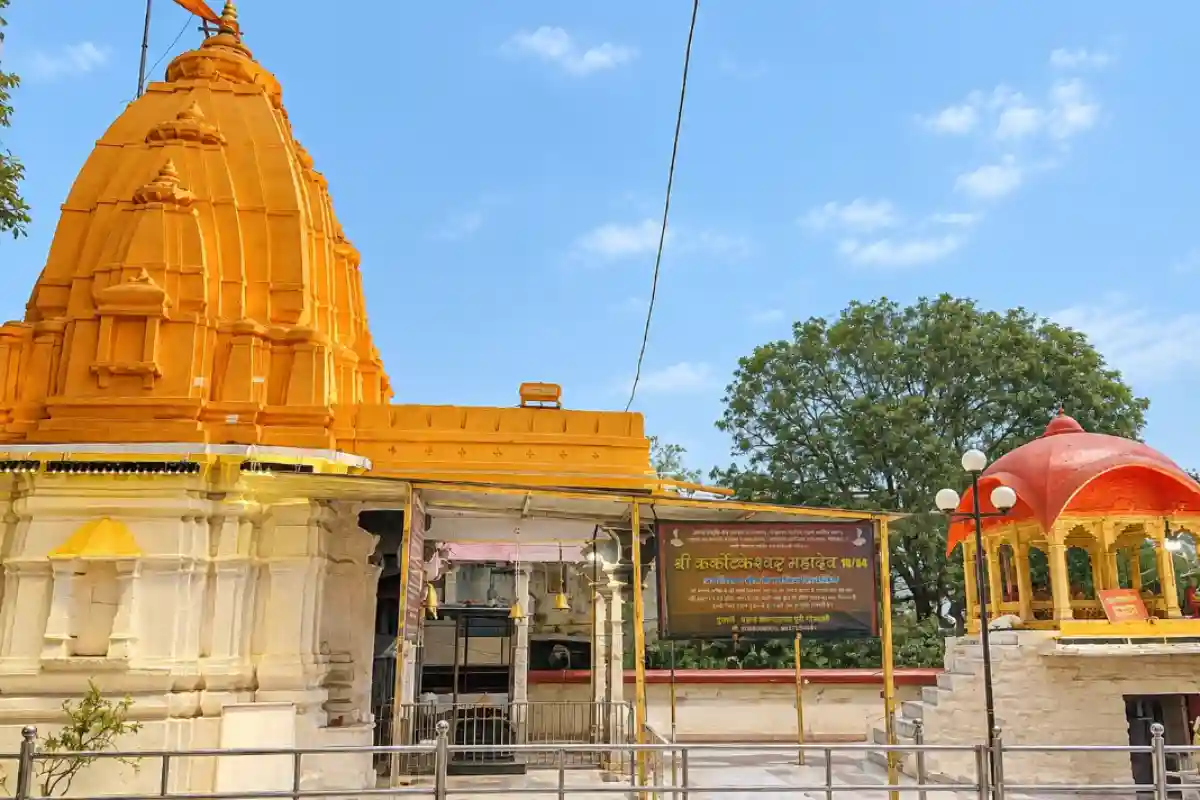
In the Avanti Khand, chapter 10 is Karkoteshwar and chapter 12 is Lokpaleshwar, and Siddheshwar's chapter 11 closes by inviting the listener to hear of Lokapaleshwar next. Present-day lists of the 84 Mahadev also place Siddheshwar eleventh.
The Skanda Purana also carries a separate list of the 84 names in a different order. The pilgrimage follows the chapter order.
Which linga comes after Siddheshwar in the 84 Mahadevs?
The next linga is Lokpaleshwar, the 12th, and the chapter ends by inviting you to hear about it. Karkoteshwar is the 10th, just before.
Comments
No comments yet. Be the first to share your thoughts!
Leave a Comment