What's new in Ujjain's Simhastha 2028 preparations?
Ujjain's Simhastha 2028 plan now spans roads, rail, water supply, sewerage, temples and river quality. Traffic, sanitation and pilgrim safety are being planned together rather than project by project.
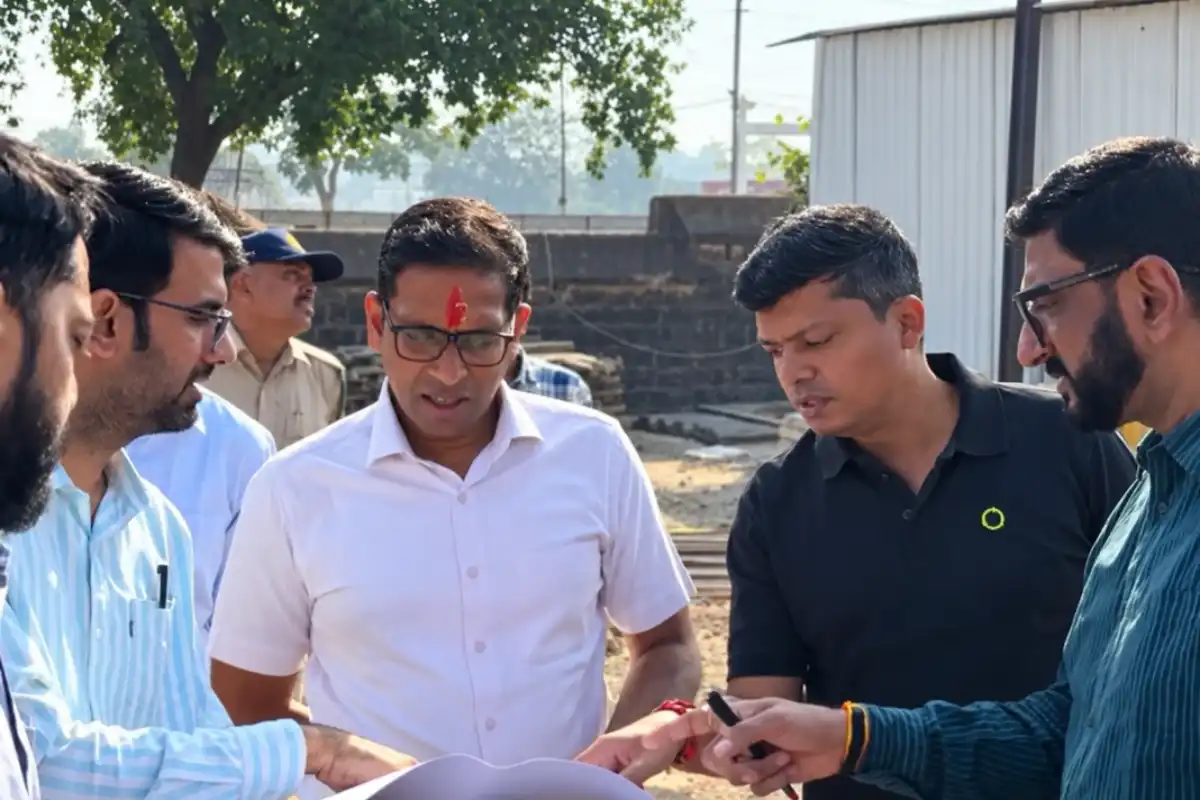
Technology is part of it too. The National Informatics Centre's Ujjain unit has reported an automated system to track land acquisition for Simhastha projects.
Which roads, bridges and rail projects are planned?
The road list includes the Simhastha Bypass, roads inside the Mela area and four-laning on important routes. Stretches near Gada Puliya, Ambar Colony, Harifatak Bridge, Kaharwadi, Harsiddhi ki Pal and Ramghat are linked to the work.
Railway overbridges, elevated bridges and underpasses are also on the agenda. So is the proposed Ujjain to Jaora Greenfield Four Lane Road, meant to ease pressure on roads inside the city.
For rail travellers, railway skywalks and a Multi-Hub Transit system are named priorities. Both are meant to move pilgrims more smoothly on peak bathing days.
Why this matters to pilgrims right now
If you're planning a 2028 visit, these projects decide how you'll reach the ghats, where you'll park and how far you'll walk. Better wayfinding, pedestrian corridors and emergency access routes matter most for senior citizens, families with children and first-time visitors.
Execution is the open question. Land acquisition, utility shifting and coordination between agencies will decide how much is finished and working by the time pilgrims arrive. Check official Ujjain administration notices before booking travel.
What's happening at Kal Bhairav and Mangalnath temples?
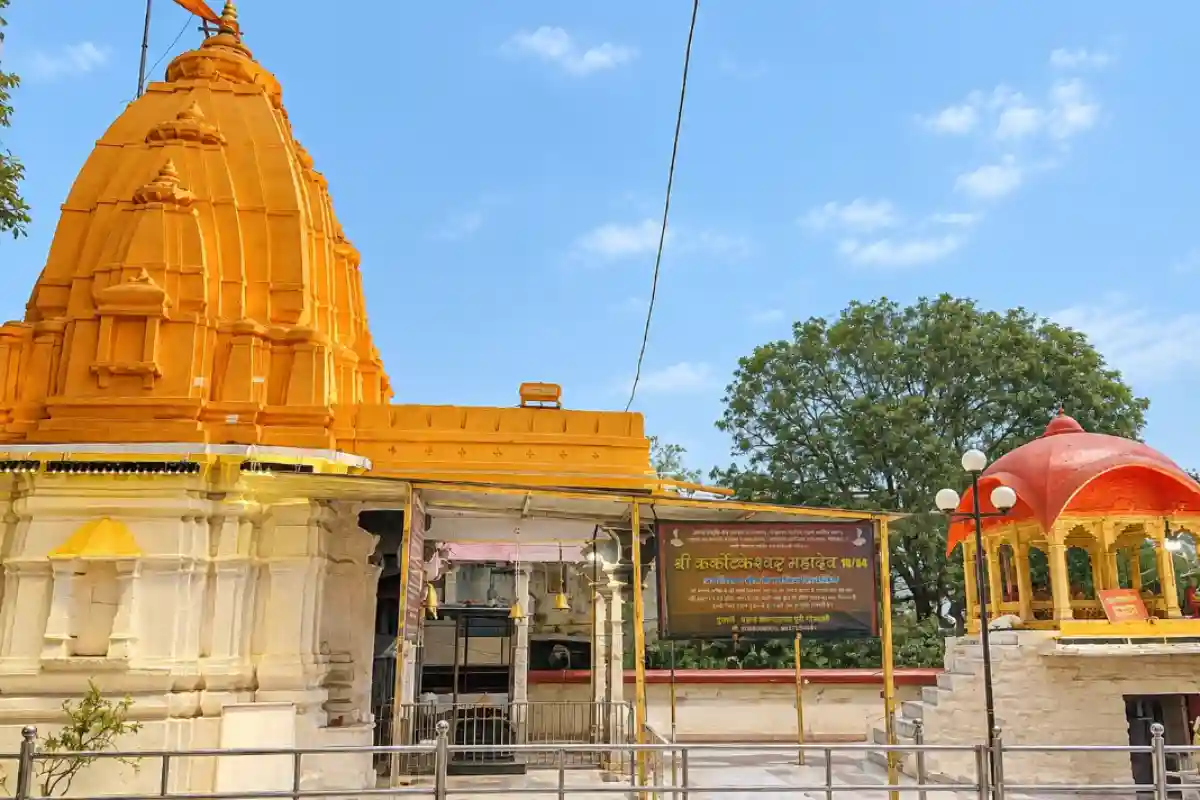
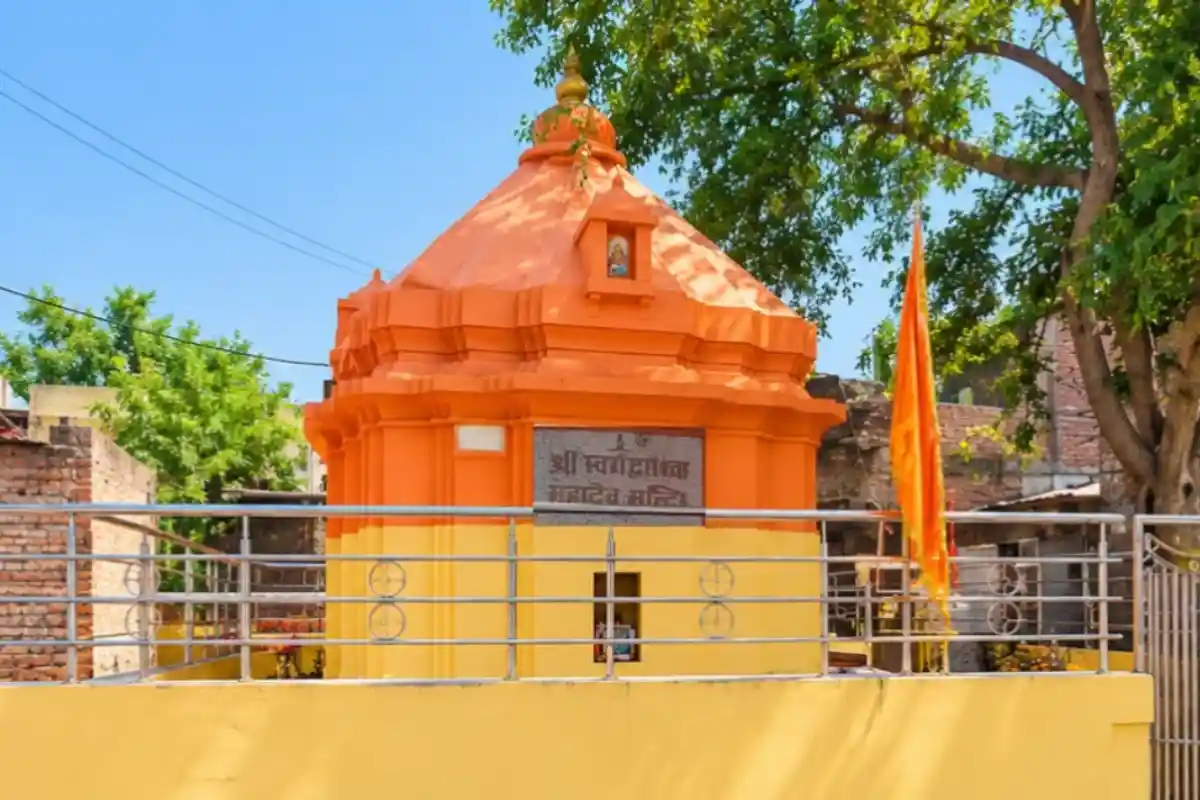
Development, beautification and visitor facilities are planned at Shri Kal BhairavThe revered Kaal Bhairav temple of Ujjain. Temple and Shri Mangalnath Temple. The stated goal is better access and amenities while keeping the spiritual character of both sites.
Pilgrims can expect work on sanitation, drinking water, information systems and orderly walking routes around major temples.
How is the Shipra river being protected?
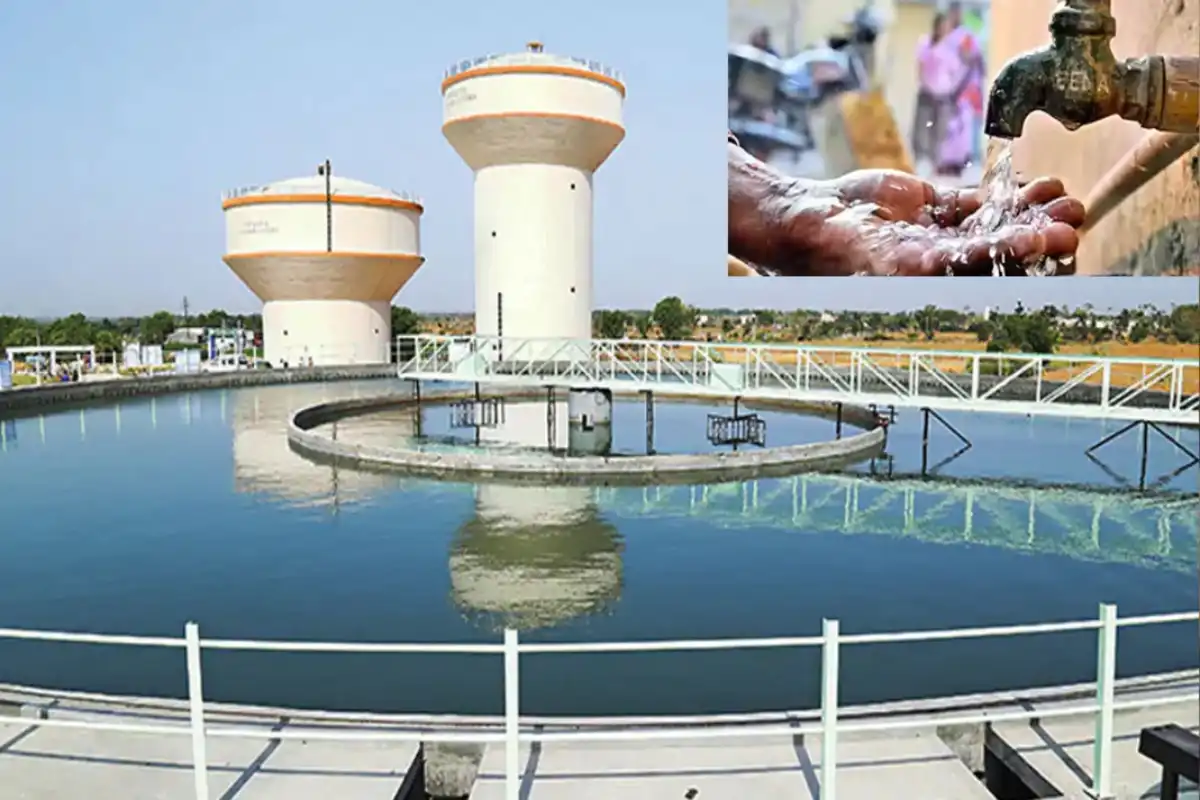
The Shipra is central to Simhastha, so its water quality gets direct attention. The plan covers drainage, water supply, stopping wastewater from entering the river, sewage interception, solid waste management and upkeep of ghats.
What matters is whether river care continues after the Mela ends. If it does, residents get a cleaner Shipra and a better kept riverfront well past 2028.
How will technology help manage Simhastha 2028?
The NIC Ujjain unit's Automated Land Acquisition Monitoring and Notification System tracks cases through their statutory stages. It sends automated reminders and escalation alerts, so officials can spot delays early.
The Madhya Pradesh State Electronics Development Corporation has also publicised the Ujjain MahaKumbh Hackathon. It invites students, startups and innovators to build tools for smart mobility, crowd management, safety and environmental problems.
Possible uses on the ground include crowd-density monitoring, emergency communication, incident reporting and real-time public information. Those would need reliable connectivity, trained staff and data-protection safeguards.
What impact can pilgrims and residents expect?
If the projects land, pilgrims get better connected roads, cleaner ghats and clearer movement near major temples. Residents keep the roads, water supply and sewerage networks after the Mela.
Local businesses and tourism could gain from better visitor facilities and conserved heritage sites. Whether those gains arrive depends on how well the projects are finished and maintained.
Key takeaways
- Simhastha 2028 work in Ujjain covers roads, rail, transit, water, sewerage, temples and the Shipra.
- Named projects include the Simhastha Bypass, railway skywalks, a Multi-Hub Transit system and the proposed Ujjain to Jaora four-lane road.
- Kal Bhairav and Mangalnath temples are getting visitor facility upgrades.
- NIC Ujjain has reported a digital system to track land acquisition delays.
- Timely delivery depends on land acquisition, utility shifting and agency coordination.