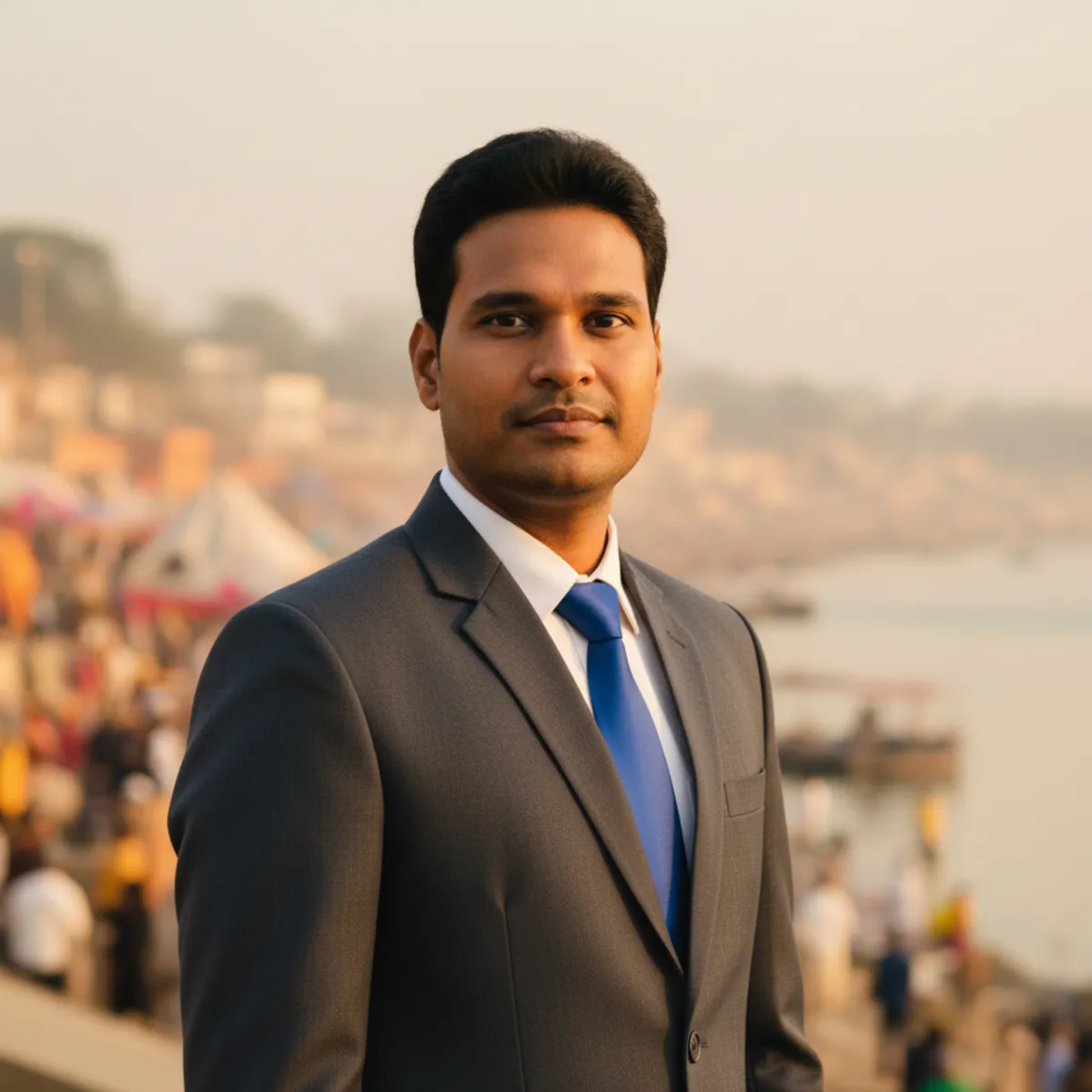


Ancient to modern history
The Akhara system is old enough that its precise origins are still disputed among historians. The most widely accepted account places formal organization in the 8th century CE, when Adi Shankaracharya restructured fragmented ascetic lineages into 7 organized orders.
But the Akharas themselves claim lineages that go much further back. Juna Akhara associates its roots with the sage Dattatreya, a figure from the Treta Yuga. Mahanirvani Akhara traces its spiritual authority to Kapila Mahamuni. These aren't historical claims in the academic sense. They're genealogical assertions that define each Akhara's identity and place within the tradition.
What changed in the 8th century wasn't the lineages themselves but their organization. Shankaracharya gave the Naga ascetics structure: formal akharas with hierarchy, territory, ritual precedence at Kumbh Melas, and a clear relationship to the 4 cardinal mathas at Sringeri, Dwarka, Puri, and Joshimath.
By the 16th century, armed Naga sadhusLearn about the mysterious Naga Sadhus of Kumbh Mela. played an active military role. Madhusudana Saraswati reorganized a section of the Naga tradition specifically to protect Hindus during the Mughal period. The warrior function has since faded, but the martial training continues inside Akhara life, now as ritual practice rather than battlefield preparation.
Today the 7 Shaiva Akharas operate under the Akhil Bharatiya Akhara Parishad (ABAP), the apex body that coordinates Shahi Snan schedules, resolves inter-Akhara disputes, and manages camp allocations at each Kumbh Mela.
Key highlights
- 7 Shaiva Akharas: Juna, Mahanirvani, Niranjani, Avahan, Agni, Atal, Anand. All 7 are under the Dashanami Sampradaya.
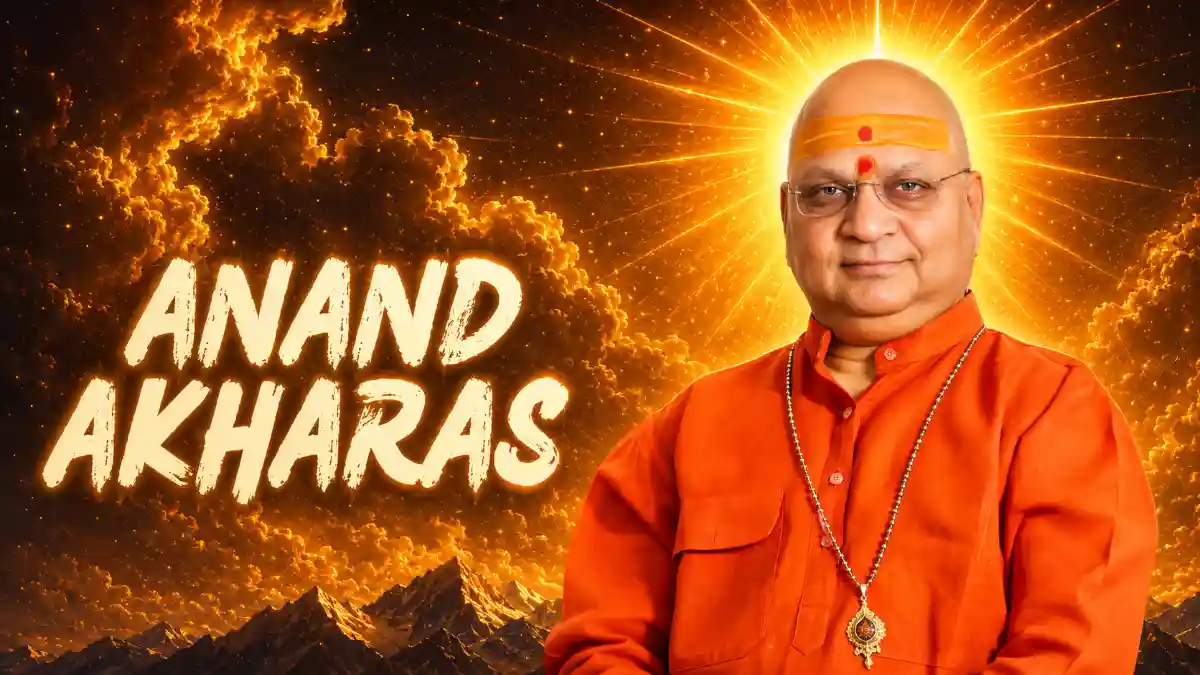
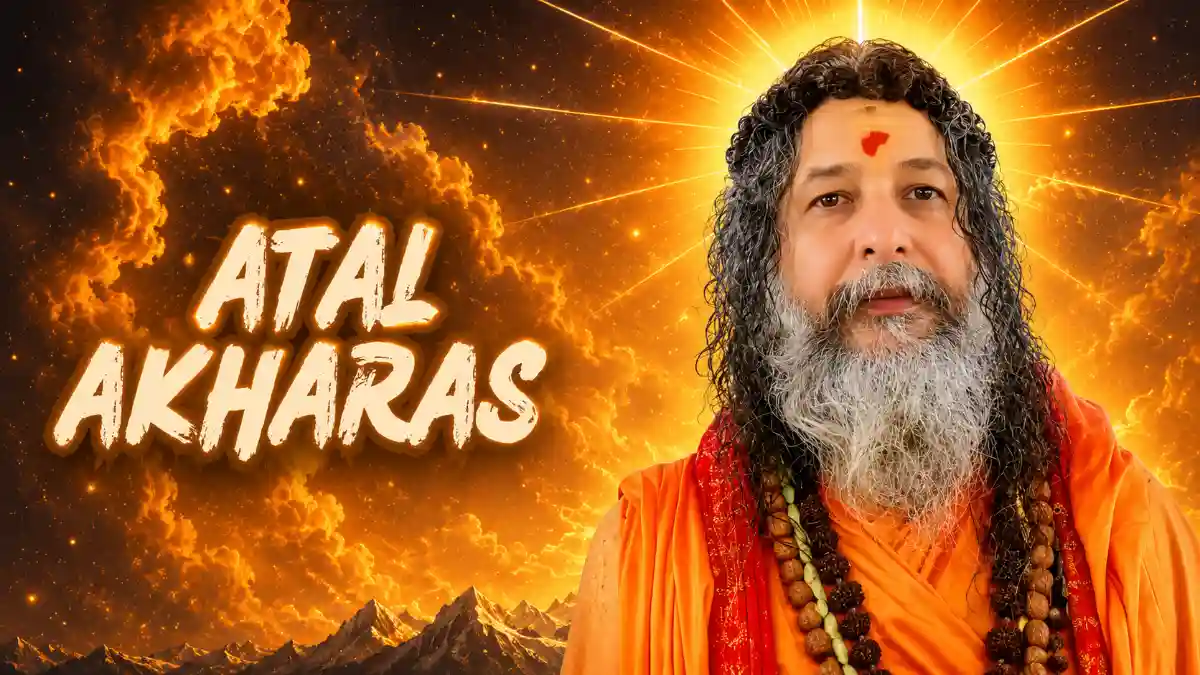
- 3 major, 3 minor, 1 Brahmacharya: Juna, Niranjani, and Mahanirvani are the 3 major Akharas. Avahan is affiliated with Juna; Anand with Niranjani; Atal with Mahanirvani. Agni is a smaller celibate Akhara also under Juna.
- Shahi Snan at Simhastha 2028: April 9, April 23, May 8. Shaiva Akharas lead the first procession to the Shipra River on each date.
- Naga Sadhus: Exclusive to Shaiva Akharas. They undergo years of austerity before formal initiation, which culminates during Kumbh Mela.
- ABAP oversight: All inter-Akhara protocol, camp allocation, and Shahi Snan sequence is governed by the Akhil Bharatiya Akhara Parishad.
Founding and tradition
Adi Shankaracharya founded the 7 Akharas (Mahanirvani, Niranjani, Juna, Atal, Avahan, Agni, and Anand) to unify ascetic orders that had operated independently, and to create a trained body capable of defending Hindu pilgrimage sites and scriptural traditions.
The word "Akhara" comes from "akhand," meaning indivisible. It was originally a wrestling arena, and the martial connotation was deliberate. Shankaracharya wanted ascetics who were trained in both shastra (scripture) and astra (weapons). The Naga tradition, the armed wing of the Akharas, was the result.
Each of the 7 Akharas has a specific founding date and founding location, though some of these dates are from a single manuscript source (a 19th-century document cited by historian Jadunath Sarkar) and should be read as traditional record, not settled historical fact.
| Akhara | Founded | Location | Tutelary Deity | Affiliation |
|---|---|---|---|---|
| Mahanirvani | 748 CE | Vaidyanath Dham / Gangasagar | Kapila Mahamuni | Major |
| Niranjani | 904 CE | Kachcha Mandavi, Gujarat | Kartikeya | Major |
| Juna | 1145 CE (revived) | Kama Prayag | Dattatreya | Major (largest) |
| Atal | Unknown (ancient) | Varanasi | Ganesha | Minor (affiliated with Mahanirvani) |
| Anand | 855 CE | Nashik/Trimbakeshwar | Surya (Sun God) | Minor (affiliated with Niranjani) |
| Avahan | Unknown (ancient) | Varanasi, Dashashwamedh Ghat | Dattatreya | Minor (affiliated with Juna) |
| Agni | Unknown | Girinagar Bhavnath, Junagadh | Not confirmed | Brahmacharya, affiliated with Juna |
Sources: Mahanirvani Peetham records, Wikipedia/Mahanirvani Akhara, HandWiki/ABAP, Bharatpedia/Akhara. Compiled August 2026. Founding dates from Jadunath Sarkar's cited manuscript (19th century); treat as traditional record, not independently verified primary documentation. Confirm current Mahant names and camp allocations against official MP government sources before publishing.
The founding dates in this table come primarily from a single 19th-century manuscript cited by historian Jadunath Sarkar and provided by the Nirvani Akhara. Cross-verify against official Akhara records or Akhil Bharatiya Akhara Parishad documentation before citing these dates as settled history.
Founder and lineage
The institutional founder is Adi Shankaracharya (c. 788–820 CE). He organized the Dashanami Sampradaya, gave the akharas their formal structure, and linked them to the 4 principal mathas: Sringeri (south), Dwarka (west), Puri (east), and Joshimath (north).
Within that framework, each of the 7 Akharas claims a distinct spiritual lineage. Juna Akhara's ancient name was Datta-Akhara. Its connection to Dattatreya predates its formal organization as an Akhara. Mahanirvani traces its activation to 7 sadhus from the Atal Akhara who performed tapas at Gangasagar and received the darshan of Kapila Mahamuni, who blessed them to revive the Naga tradition.
Niranjani Akhara's tradition holds that it's the protective spiritual army of Kartikeya, Lord Shiva's son, organized into a monastic order.
Guru-shishya (teacher-disciple) tradition
The guru-shishya chain is how every Akhara reproduces itself. No one joins an Akhara the way one joins an institution. They are initiated by a guru through the Sannyas Diksha (renunciation initiation). From that point, the initiate belongs to the Akhara's lineage, not just the organization.
Each Akhara's Acharya Mahamandaleshwar holds the highest spiritual authority and is responsible for new initiations. Below the Acharya Mahamandaleshwar sit the Mahamandaleshwars, and below them, the Shree Mahants (heads of individual centers). Each Akhara is divided into 8 davas (divisions) and roughly 82 marhis (centers), each led by a Mahant.
For Naga Sadhu initiation specifically, the process is longer and more demanding. Aspirants spend years in service, celibacy, fasting, and scriptural study. The final initiation requires the candidate to perform their own pind daan (funeral rites that a son performs for a deceased parent), symbolizing that their old identity is dead. After this, the initiate is reborn into the Akhara. This ceremony takes place during Kumbh Mela, often before dawn, in restricted enclosures.
Religious and spiritual significance
The Shaiva Akharas sit at the center of Ujjain's identity. Ujjain is one of the 12 Jyotirlinga sites (MahakaleshwarExplore the divine Mahakaleshwar Jyotirlinga in Ujjain.), a city whose identity has been Shaivite for centuries. The Akharas don't visit Ujjain for Simhastha. In a real sense, they return to it. Ujjain is home to permanent ashrams and centers of several Akharas, not just temporary camps.
Philosophically, the Shaiva Akharas operate within Advaita Vedanta, Shankaracharya's non-dualist framework where Shiva is the ultimate, undivided reality. Shiva is not worshipped as a separate deity so much as recognized as the ground of all being. This is why the renunciation within these orders is so complete: if everything is Shiva, attachment to any particular thing is a kind of confusion.
Dashanami sect affiliation
All 7 Shaiva Akharas belong to the Dashanami Sampradaya, the "Tradition of Ten Names." The 10 names refer to the suffixes renunciates take upon initiation: Giri, Puri, Bharati, Vana, Aranya, Sagara, Saraswati, Tirtha, Ashrama, and Chaitanya. The suffix indicates which of the 4 mathas the initiate's lineage runs through.
Within the Dashanami order, the Shaiva Akharas are specifically the Astradhari (weapon-bearing) wing: the Naga sadhus. The Shastradhari (scripture-bearing) wing comprises the more scholarly renunciates who don't take Naga diksha. Both exist within the same Sampradaya.
Ishta-devata (presiding deity)
Despite all 7 Akharas being Shaiva in orientation, their presiding deities (upaasya devata) are not identical.
- Juna Akhara: Dattatreya, a syncretic deity combining Brahma, Vishnu, and Shiva. The Akhara's ancient name was Datta-Akhara.
- Mahanirvani Akhara: Kapila Mahamuni, the Vedic sage and philosopher. Also revered as the first Naga of the lineage.
- Niranjani Akhara: Kartikeya (Subramanya), Lord Shiva's son and the divine general.
- Atal Akhara: Ganesha. Also venerates Bhairava.
- Anand Akhara: Surya (the Sun God).
- Avahan Akhara: Dattatreya, in common with its affiliated major Akhara, Juna.
- Agni Akhara:
Naga Sadhu tradition
Naga Sadhus are, from the outside, the most striking figures at any Kumbh Mela: naked, ash-covered, carrying tridents. But the tradition is not theatre. It's a formal monastic rank within the Shaiva Akharas, one that takes years to earn.
Historically, Naga sadhus were the armed wing of Hindu monastic life. They protected temples and pilgrimage routes. That function ended, but the initiation and the discipline didn't. Today a Naga sadhu still undergoes weapons training, not for combat, but as living ritual. They still go first into the Shipra River at Shahi Snan. They still carry the authority that comes from centuries of this tradition.
The initiation process (Naga Diksha) unfolds across years, culminating at Kumbh Mela in a pre-dawn ceremony inside the Akhara camp. The candidate first performs their own pind daan. They take a new name. The Acharya Mahamandaleshwar formally receives them into the Naga lineage. After that, they're Naga. Fully renounced, no legal identity, no family ties, no possessions.
Juna Akhara has the largest Naga Sadhu population of any Akhara. Its current Acharya Mahamandaleshwar, Swami Avdheshanand Giri (born 1962), is reported to have initiated approximately 1 million Naga sadhus.
Formal Naga Sadhu initiation is tied to the auspiciousness of Kumbh Mela. Aspirants may spend years preparing at an Akhara ashram, but the final ceremony (the pind daan, the new name, the Acharya's formal recognition) takes place during Kumbh. Simhastha 2028 is therefore not just a pilgrimage event; for those in the years-long initiation process, it's the end of that process. Pilgrims who arrive in the days before a Shahi Snan may witness Naga initiations at the edges of Akhara camps, though the inner ceremony remains restricted to initiated members.
Organizational structure
At the top sits the Acharya Mahamandaleshwar, the highest spiritual authority in each Akhara. Below them are the Mahamandaleshwars (senior spiritual leaders) and the Shree Mahants (heads of individual centers). This hierarchy governs both spiritual matters and the Akhara's public functions at events like Simhastha.
Each Akhara divides into 8 davas (divisions) and roughly 82 marhis (centers). A Mahant heads each center. This gives even a single major Akhara like Juna a presence across hundreds of locations across India.
The 3 minor Akharas (Atal, Anand, Avahan) are formally affiliated with the 3 major ones. Atal is with Mahanirvani; Anand with Niranjani; Avahan with Juna. Agni, the 7th and smallest, is also affiliated with Juna but operates as a distinct Brahmacharya (celibate) order.
Above all 7 Akharas sits the Akhil Bharatiya Akhara Parishad (ABAP). The ABAP is composed of 2 representatives from each of the 13 Akharas. It determines Shahi Snan schedules in consultation with the Mela administration and holds the authority to resolve disputes, including issuing or revoking Akhara membership.
Role in Kumbh Mela (historical)
The Shaiva Akharas have attended every Kumbh Mela (in Prayagraj, Haridwar, Nashik, and Ujjain) since the event's formalization in the medieval period. Their Peshwai processions (ceremonial entries) are the opening act of each Kumbh. Without the Akharas, the Kumbh Mela has no ritual center.
Historically, Shahi Snan order was sometimes disputed between Akharas, occasionally resulting in physical confrontations. The ABAP was partly created to prevent exactly this: to fix the sequence so there's no ambiguity about who enters the river first.
Juna Akhara is consistently the largest presence at any Kumbh Mela. At Prayagraj 2019, it had the most sadhus and the most elaborate Peshwai procession of any Akhara.
Role in Simhastha 2028 specifically
Simhastha 2028 runs from March 27 to May 27, 2028. The 3 Shahi Snan dates are April 9, April 23, and May 8, 2028. On each of these dates, the Shaiva Akharas lead the procession to the Shipra River. Their Naga Sadhus enter the water first. General pilgrims follow after the Akharas complete their bath.
Before the Shahi Snan dates, each Akhara conducts a Peshwai, the ceremonial arrival procession through Ujjain's streets. These happen on fixed dates before the Shahi Snan. Elephants, silver palanquins, decorated vehicles carrying Mahamandaleshwars, and Naga Sadhus in ash mark the procession. For pilgrims who can't stay for the full Kumbh, attending a Peshwai is one way to witness Akhara culture directly.
Each Akhara also maintains a permanent camp (Chawani) within the Simhastha grounds for the full 62 days. These are open to pilgrims for darshan and spiritual discourses. Inside, the Akharas conduct pre-dawn pujas to their presiding deities (restricted to initiated members).
The specific sequence in which the 7 Shaiva Akharas enter the Shipra River on Shahi Snan dates at Simhastha 2028 has not yet been officially published as of August 2026. Confirm the exact order against Madhya Pradesh government/Ujjain Simhastha Mela Authority announcements closer to the event before publishing this detail.
Shahi Snan order and sequence
On each Shahi Snan date, the 13 Akharas proceed to the Shipra River in a fixed sequence set by the ABAP. Shaiva Akharas go first, before Vaishnava and Udasin orders. Within the Shaiva Akharas, Juna traditionally leads, given its status as the largest and oldest.
The exact inter-Shaiva sequence for Simhastha 2028 follows the ABAP protocol but needs confirmation from the official Ujjain Simhastha Mela Authority ahead of the event. The broad pattern across previous Simhastha events has placed Juna, Mahanirvani, and Niranjani among the leading Shaiva Akharas in procession order.
Each Akhara's procession can last several hours. The Peshwai and Shahi Snan together can occupy most of a morning for a major Akhara like Juna. Pilgrims planning to witness the procession should be in position several hours before sunrise on each Shahi Snan date.
Connection and relationship with Ujjain
Ujjain is the only one of the 4 Kumbh cities that is also a Jyotirlinga site. Mahakaleshwar temple, 1 of the 12 Jyotirlinga shrines, sits at the city's center. This gives Simhastha a Shaivite character that Prayagraj or Haridwar don't have in quite the same way. The Shaiva Akharas are not guests in Ujjain during Simhastha. They're part of what Ujjain is.
Several Akharas maintain year-round ashrams in Ujjain, not just temporary Kumbh camps. Juna Akhara has a center at the Dattatreya Akhara Ghat on the Kshipra riverfront, associated with the site where Dattatreya is said to have taught his disciples during the Treta Yuga. The Mahanirvani Akhara has a branch in Ujjain alongside its main centers in Haridwar, Kankhal, Kashi, and Nashik. The Niranjani Akhara also maintains a presence in Ujjain.
Ashrams in Ujjain (with addresses where verifiable)
- Shri Dattatreya Akhara (Juna lineage): Dattatreya Akhara Ghat, Kshipra Tat, Opposite Ram Ghat, Ujjain 456006, Madhya Pradesh. A member institution of the Akhil Bharatiya Akhara Parishad. Located on the riverfront directly opposite the main Ram Ghat bathing area.
- Mahanirvani Akhara branch: Present in Ujjain; exact address of permanent ashram requires verification against current ABAP or Ujjain administration records.
- Niranjani Akhara: Maintains a center in Ujjain (head office at Prayagraj). Precise Ujjain ashram address not independently verified.
Simhastha 2028 Akhara camp sector allocations will be assigned by the Ujjain Simhastha Mela Authority closer to the event. Check official announcements at the MP government portal before publishing camp locations for pilgrim navigation.
Major ashrams and maths elsewhere in India
- Juna Akhara: Headquarters at Baba Hanuman Ghat, Varanasi. Centers at Prayagraj, Haridwar, Ujjain.
- Mahanirvani Akhara: Head office at Haridwar. Branches at Kankhal, Kashi (Varanasi), Nashik, and Ujjain. Originally founded at Vaidyanath Dham (Jharkhand).
- Niranjani Akhara: Head office at Daraganj, Prayagraj. Branches at Ujjain and Udaipur. Founded in Gujarat (Kachcha Mandavi).
- Atal Akhara: Based at Sankat Mochan Hanuman Mandir area, Varanasi.
- Avahan Akhara: Dashashwamedh Ghat, Kashi/Varanasi.
- Anand Akhara: Trimbakeshwar, Nashik, Maharashtra.
- Agni Akhara: Girinagar Bhavnath, Junagadh, Gujarat.
Prominent Mahants and Mahamandaleshwars
Each Akhara has an Acharya Mahamandaleshwar as its highest spiritual authority. Leadership changes through succession within the order. The following are verified as of available sources; positions may have changed.
- Juna Akhara: Swami Avdheshanand Giri (born 1962, Khurja, Uttar Pradesh), Acharya Mahamandaleshwar and Pithadhishwar. Also President of Hindu Dharm Acharya Sabha. Reported to have initiated approximately 1 million Naga sadhus.
- Mahanirvani Akhara: Shri Mahant Yamunapur Ji Maharaj is noted as secretary; Mahant Ravsevak Giri as an administrative head. Current Acharya Mahamandaleshwar name requires verification against current ABAP records.
- Niranjani Akhara: Swami Mahant Ravindrapuri previously noted as Akhara head and ABAP president. Current leadership status requires verification.
Mahant and Mahamandaleshwar positions in Akharas change through succession. Verify current leadership names against ABAP's official records or direct Akhara sources before publication. Outdated names are a common error in secondary sources.
Architecture of key ashrams or temples
The Shri Dattatreya Akhara in Ujjain occupies a riverfront site on the Kshipra, opposite Ram Ghat. According to the Akhara's own tradition, the site has been associated with Dattatreya since the Treta Yuga. The institution claims the ground itself is sacred, independent of any structure built on it.
Akhara architecture generally follows a pattern: a central akharana (practice courtyard), a shrine to the presiding deity, a dhuni (sacred fire kept burning continuously), a Mahant's residence, and accommodation for resident sadhus. The dhuni is not just symbolic. It's the ritual center of the Akhara, maintained day and night.
During Simhastha, each Akhara's camp (Chawani) replicates this structure on a larger scale, with a main tent shrine, a central dhuni, and a perimeter that marks the boundary between the initiated community and the public. The Chawani is functionally a temporary monastery for the duration of the Kumbh.
Religious rituals and practices
Daily Akhara life follows a fixed schedule: pre-dawn puja to the presiding deity, yoga and physical training, scriptural study, midday rest, and evening discourses. At Simhastha, this schedule intensifies: more pilgrims, more discourses, and the major ritual events of the Shahi Snan.
The dhuni, the sacred fire, is kept burning at all times. For Shaiva Akharas, ash from the dhuni has ritual significance. Naga sadhus smear themselves with it as a representation of Shiva, who is himself described in the Puranas as covered in ash.
Each Akhara conducts its own internal pre-dawn puja on Shahi Snan days, before the public procession begins. Juna Akhara performs a Shiva abhishek (ritual bathing of the Shiva icon). Mahanirvani Akhara performs Dasa Mahavidya tantric rituals. These are not open to the public.
Rare and lesser-known facts
- Kinnar Akhara within Juna: The transgender Naga tradition (Kinnar Akhara) is affiliated with Juna Akhara. This is a relatively recent formal recognition. Transgender sadhus have always existed within the tradition, but their institutional standing within Juna is now explicit.
- Agni Akhara is celibate-only: Unlike the other 6 Shaiva Akharas, Agni Akhara admits only Brahmachari (celibate) saints. It doesn't admit married householders who later renounce, or Naga sadhus in the traditional sense. Its members are celibate from initiation.
- Juna's original name: The Akhara was called Datta-Akhara or Bhairo Akhara before it became known as Juna (meaning "old" or "ancient"). The name Juna itself signals its seniority among the orders.
- Mahanirvani's 7 founders: The tradition is specific, not a single founding saint but exactly 7 sadhus from the Atal Akhara who performed tapas at Gangasagar together. The number 7 carries ritual significance in the tradition.
- Ujjain is in Juna's founding geography: One source notes the Dattatreya Akhara in Ujjain as the site where Dattatreya taught during the Treta Yuga, making Ujjain's connection to Juna's lineage not a Kumbh-era development but a claim rooted in the Akhara's most ancient self-understanding.
- Night-time astrological bathing: Beyond the 3 official Shahi Snan dates, Akhara astrologers identify specific muhurtas (precise windows, sometimes minutes long) when individual Akharas perform private bathing rituals in the Shipra. These are not publicly announced.
Timeline of key events
| Year / Period | Event | Source |
|---|---|---|
| c. 788-820 CE | Adi Shankaracharya organizes the Dashanami Sampradaya; formally structures 7 Akharas including Juna, Mahanirvani, Niranjani, Atal, Avahan, Agni, and Anand | Mahanirvani Peetham institutional records; Kama Maclean, Pilgrimage and Power, UNSW, 2008 |
| 748 CE | Mahanirvani Akhara formally organized at Vaidyanath Dham (Jharkhand); 7 sadhus of Atal Akhara receive Kapila Mahamuni's darshan at Gangasagar and revive the Naga tradition | Mahanirvani Peetham institutional records |
| 855 CE | Anand Akhara revived; presiding deity Surya Deva | Mahanirvani Peetham institutional records |
| 903-904 CE | Niranjani Akhara revived at Kachcha Mandavi, Gujarat; presiding deity Kartikeya; head office established at Prayagraj | Mahanirvani Peetham institutional records |
| 1145 CE | Juna Akhara revived at Kama Prayag with Dattatreya as presiding deity; previously known as Datta-Akhara or Bhairo Akhara | Mahanirvani Peetham institutional records |
| 16th century | Madhusudana Saraswati reorganizes the armed Naga tradition to protect Hindus during Mughal period; Naga sadhus take on active military role | William Pinch, Warrior Ascetics and Indian Empires, Cambridge, 2006 |
| 2019 | 13 Akharas form the current ABAP structure at Prayagraj Kumbh Mela; 2 representatives per Akhara; identity card system introduced to verify authentic sadhus | Needs verification, official records not confirmed |
| April 9, 2028 | First Amrit Snan, Simhastha 2028. Shaiva Akharas lead procession to Shipra River, Ujjain | MP Government official Simhastha 2028 date announcement |
| April 23, 2028 | Second Amrit Snan, Simhastha 2028 | MP Government official Simhastha 2028 date announcement |
| May 8, 2028 | Third Amrit Snan, Simhastha 2028 | MP Government official Simhastha 2028 date announcement |
Sources: Mahanirvani Peetham institutional records; Kama Maclean, Pilgrimage and Power, UNSW, 2008; William Pinch, Warrior Ascetics and Indian Empires, Cambridge, 2006; MP Government official Simhastha 2028 date announcement, August 2026. Confirm against official records before publishing.

Comments
No comments yet. Be the first to share your thoughts!
Leave a Comment