

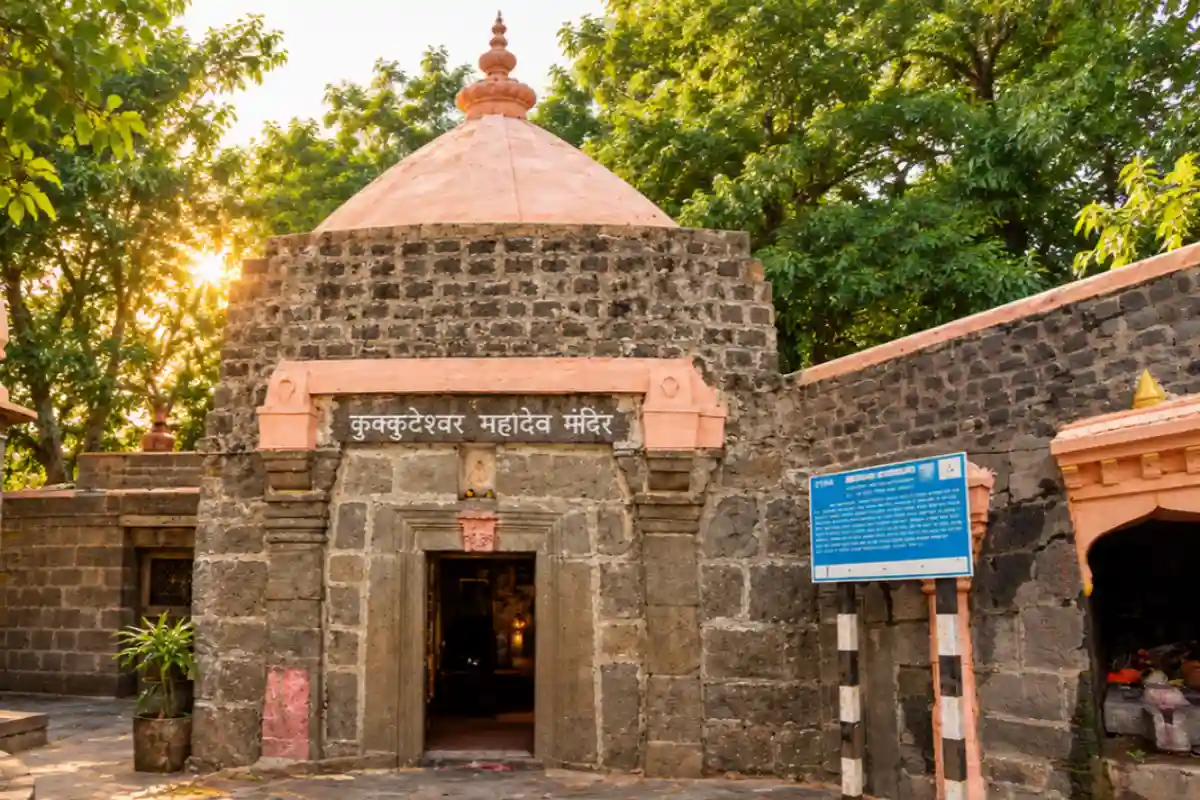
What is Kukkuteshwar Mahadev in Ujjain?
Kukkuteshwar Mahadev is the twenty-first of Ujjain's 84 Mahadev lingas, with its story in the Skanda Purana, Avantya Khanda, chapter 21 of the Chaturashiti Linga Mahatmya. King Kaushika, cursed to turn into a rooster every night, is freed after he and his queen worship this linga in Mahakalavana.
The name joins kukkuta, the rooster, and Ishwara. The list of tirthas in the same Purana calls it Kukkutesha. Some printed lists carry the wrong spellings Kutumbakeshwar and Kulutesh; this article uses Kukkuteshwar throughout.
Local tradition places the temple on Gandharva Ghat, on the Shipra.
At a glance
- Kaushika is a king by day and a rooster by night.
- The curse comes from Tamrachuda, king of the roosters, after the boy Kaushika eats many of them.
- The sage Galava names a linga in Mahakalavana as the remedy.
- After the royal couple worship it, the king no longer turns into a rooster.
Kukkuteshwar Mahadev: quick facts
| Topic | Detail |
|---|---|
| Meaning of the name | Lord (Shiva) of the rooster (kukkuta) |
| Deity | Shiva, in linga form |
| Source text | Skanda Purana, Avantya Khanda, Chaturashiti Linga Mahatmya, Chapter 21 (5.2.21), 58 verses |
| Position among the 84 Mahadevs | Twenty-first |
| Narrator and listener | Shiva speaking to Parvati |
| Main characters | King Kaushika, Queen Vishala, the sage Galava, Tamrachuda (king of the roosters) |
What is the story of Kukkuteshwar Mahadev in the Skanda Purana?
The chapter opens with Shiva naming the linga:
एकविंशतिकं विद्धि कुक्कुटेश्वरसंज्ञकम् ।
यस्य दर्शनमात्रेण तिर्यग्योनिर्न लभ्यते ॥
Meaning: "Know the one called Kukkuteshwar as the twenty-first; by merely seeing it, birth in an animal womb is not obtained" (Skanda Purana 5.2.21.1).
A king by day, a rooster by night
Kaushika, a king, looks splendid in ornaments by day. At night he turns into a rooster. His queen Vishala is skilled in the 64 arts and is deeply unhappy, because she has no married happiness.
Vishala understands the speech of animals and birds. She sees a pair of insects quarrelling as lovers do, resolves to end her life, and goes to the hermitage of the sage Galava.
What the sage says
She asks him why this has happened. Galava says the cause is an act the king did in his childishness.
As a boy, Kaushika, son of Vidūratha, ate many roosters. Tamrachuda, the king of the roosters, noticed that his flock no longer came to him, and was told who was eating them. He was furious.
The curse and the change
The text gives the curse in these words:
ताम्रचूडोऽथ संक्रुद्धो ददौ शापं दुरात्मने ।
कौशिकाय क्षयो रोगो भविष्यति भयावहः ॥
Meaning: "Then the enraged Tamrachuda gave a curse to the wicked one: a dreadful wasting disease will come to Kaushika" (5.2.21.29).
The prince goes to the sage Vamadeva, who sends him to seek Tamrachuda's mercy. After Kaushika begs forgiveness, Tamrachuda changes the curse:
शास्ता गोप्ता च लोकानां राजा दंडधरः प्रभुः ।
कुक्कुटो भविता रात्रौ सर्वभोगविवर्जितः ॥
Meaning: "He will be a ruler, a protector of the people, holding the rod of justice, a lord; but at night he will be a rooster, cut off from every pleasure" (5.2.21.38).
The linga in Mahakalavana
Galava gives Vishala the remedy. Looking through meditation, he says the linga that frees beings from a bird's birth stands in Mahakalavana:
महाकाल वने लिंगं पक्षियोनिविमोचनम् ।
ज्वालेश्वरस्य देवस्य पूर्वभागे व्यवस्थितम् ।
तस्य दर्शनमात्रेण शापस्यांतो भविष्यति ॥
Meaning: "In Mahakalavana there is a linga that frees one from a bird's birth, placed on the eastern side of the god Jvaleshwar; merely by seeing it, the curse will end" (5.2.21.42).
Vishala bows to the sage and hurries to the king, who is out hunting deer. She brings him to the linga, and the two worship it.
The night after
तस्यां रात्रौ न संजातः कुक्कुटो यादृशः सदा ।
शिवप्रसादादभवद्दिव्यरूपी मनोहरः ॥
Meaning: "That night he did not become a rooster as always; by Shiva's grace he took a divine and charming form" (5.2.21.49).
Tagare's translation then says the king enjoyed the earth for a long time and went to heaven with his queen. From then on, the linga is known as Kukkuteshwar.
What does the Skanda Purana promise for worshipping Kukkuteshwar Mahadev?
The chapter lists these results:
- Merely seeing the linga saves a person from birth in an animal womb (verse 1).
- Worshippers are never born in a low birth again.
- They have no separation, no hell, no sorrow, no old age, no fear and no untimely death.
- They have beauty and a happy married life in every age.
- A person who sees the linga on chaturdashi frees ancestors of the family who are in hell, or born as animals, birds or trees.
The last point is in the closing verses:
चतुर्द्दश्यां प्रपश्यति लिंगं ये कुक्कुटेश्वरम् ।
तेषां कुले च ये केचित्पितरो निरयस्थिताः ॥
तिर्यग्योनिगता ये च पशुयोनिं तु ये गताः ।
वृक्षत्वमथवा प्राप्तास्तेषां मोक्षो भविष्यति ॥
Meaning: "Those who see the Kukkuteshwar linga on chaturdashi: any ancestors in their family who are in hell, or who have gone to an animal womb or a beast's birth, or have become trees, will have liberation" (5.2.21.57 and 58).
Which popular claims about Kukkuteshwar Mahadev don't match the text?
The story of Kukkuteshwar Mahadev is retold in many shortened forms. These are the claims that do not match the Skanda Purana.
| Popular claim | What the Skanda Purana says | Status |
|---|---|---|
| The linga is called Kutumbakeshwar or Kulutesh | The name is Kukkuteshwar (Kukkutesha in the tirtha list) | Wrong spelling |
| Tamrachuda's curse made Kaushika a rooster at night | The first curse is a wasting disease; the rooster form comes when the curse is softened | Incomplete |
| Amavasya is the day for worship | The chapter names chaturdashi, with no paksha or month | Contradicts the text |
| Seeing the linga means no ancestor goes to hell | The promise is for chaturdashi darshan and for ancestors already in hell or in animal, bird or tree births | Condition left out |
| The linga is near "Jabaleshwar" | The text says east of Jvaleshwar | Wrong name |
| Jvaleshwar is the sixth Mahadev, Svarnajaleshwar | The tirtha list gives Jvaleshwar and Svarnajaleshwar as separate names; no source proves they are one | Not confirmed |
| The temple is at "Gandhavati Ghat" | Gandhavati is a river named in the Purana; reliable reports say Gandharva Ghat | Not confirmed |
| Ashlesha nakshatra, with a gift of silver and milk, is prescribed | An astrologer's view; the chapter names no nakshatra | Not in the text |
| The shrine is "very ancient" | This is the priest's word; no date is documented | No evidence |
Some retellings say the king attained moksha. The chapter does not say that. Tagare's translation has the king enjoy the earth for a long time and then go to heaven with his queen. The word moksha appears in the last verse, and it is for ancestors born as animals or trees.
One popular retelling says Tamrachuda made the king vanish at night. The verse says he becomes a rooster, and the next verse says that for this reason he is not seen by his wife, because he has taken an animal form. He is hidden by his shape, not by magic.
The only landmark in the chapter is "east of Jvaleshwar." The tirtha list names Jvaleshwar and Svarnajaleshwar separately, and nothing links the Jvaleshwar of the text to a present-day shrine. So today's address rests on tradition, not on the direction.
Kashi has a Kukkuteshwar in its own Kashi Khanda tradition, and a Kukkuteshwara Swamy temple in Pithapuram in Andhra Pradesh has its own legend. Ujjain's Pishachamukteshwar (68th) is about release from a ghost's birth. None of these shares this chapter's story.
What else do people ask about Kukkuteshwar Mahadev?
Why did Queen Vishala want to die?
Vishala had no married happiness, since her husband was a rooster every night. She could understand the speech of animals and birds. After watching two insects quarrel as lovers do, she resolved to give up her life and went to Galava's hermitage. There the sage told her the cause and the cure.
Did the king reach moksha?
No. In Tagare's translation the king, freed of the curse, enjoys the earth for a long time and then goes to heaven with his queen. The word moksha belongs to the last verses, where it is promised to ancestors who are in hell or in animal, bird or tree births.
Was the king invisible at night?
No, he was a rooster. Tamrachuda's softened curse says the king will be a rooster at night, and the next verse says he is not seen as a man because he has taken an animal form. Retellings that say he turned invisible have changed the text.
Is today's temple the spot the Purana describes?
Chapter 21 gives one landmark, east of Jvaleshwar, and no source places Jvaleshwar today. The present shrine on Gandharva Ghat is identified by tradition. Local reports describe a black stone linga with images of Parvati, Kartikeya, Ganesha and Nandi, but no document dates the temple.
Why is Kukkuteshwar the twenty-first in Ujjain's 84 Mahadev order?
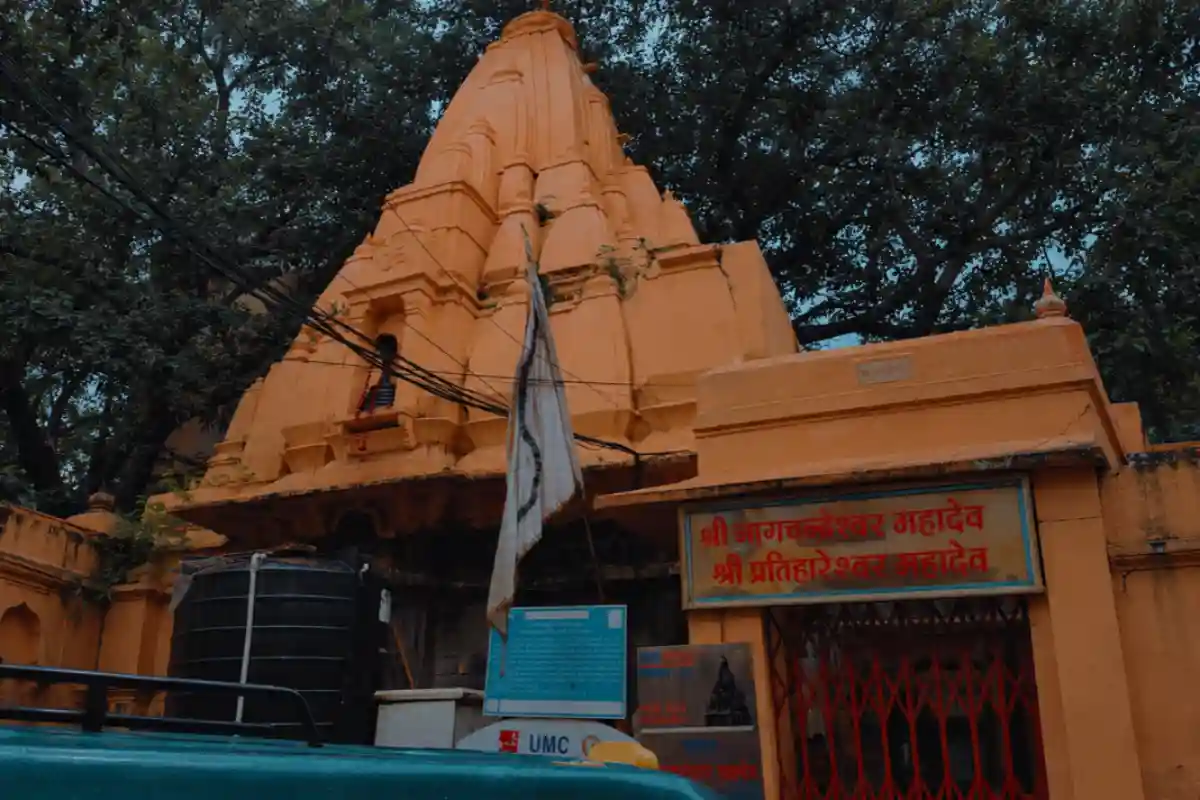
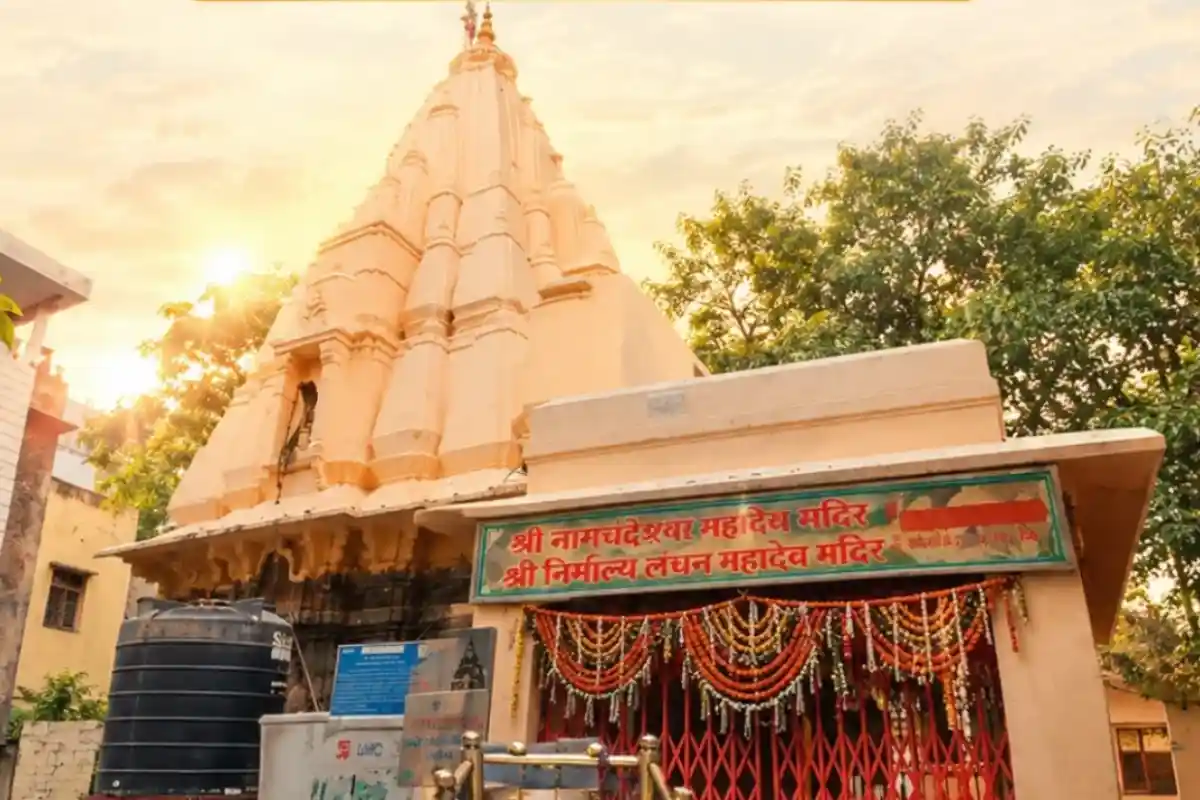
Chapter 20 of the Chaturashiti Linga Mahatmya is Pratihareshwar, and chapter 21 is Kukkuteshwar. Chapter 22 is Karkateshwar. The tirtha list (5.1.70) also has the name, as Kukkutesha, placed after Pratihareshwar and before Meghanadeshwar.
For the full sequence, see the complete guide to Ujjain's 84 Mahadev temples.
Which linga comes after Kukkuteshwar in the 84 Mahadevs?
The next chapter, 22, is Karkateshwar. Pratihareshwar, the 20th, comes just before.
Comments
No comments yet. Be the first to share your thoughts!
Leave a Comment