
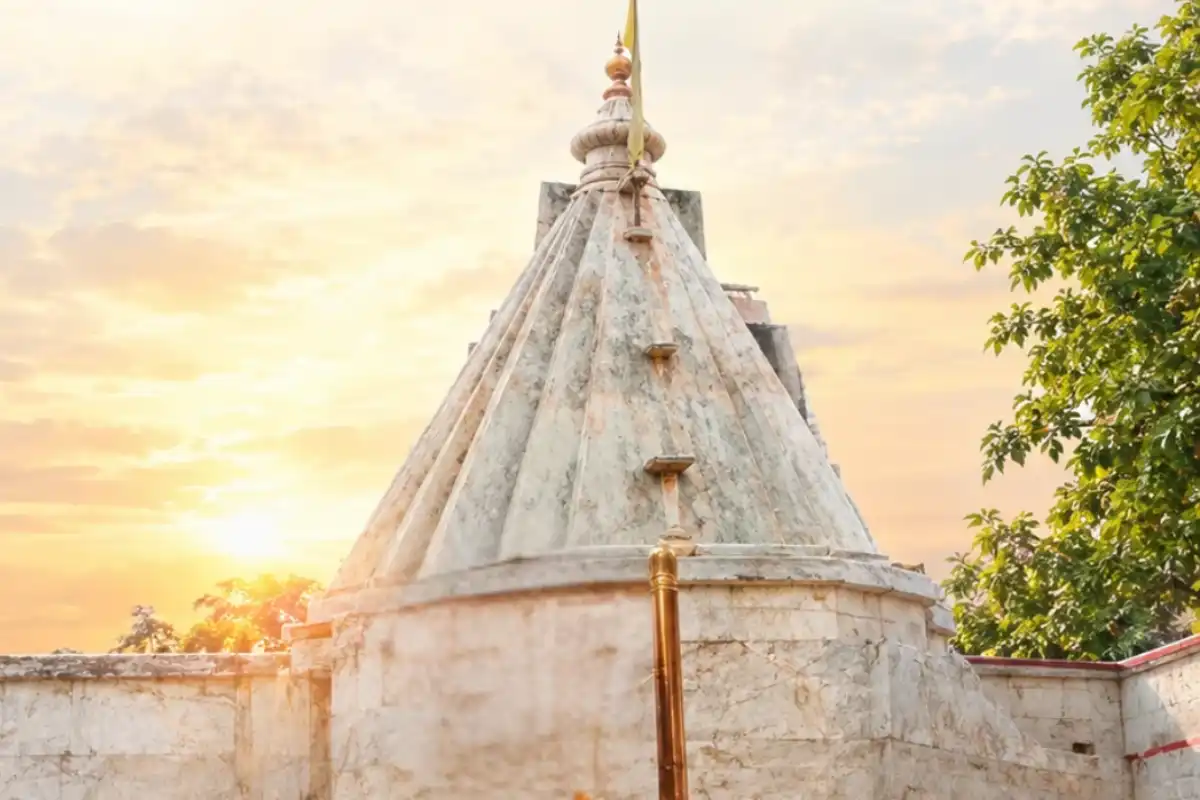
What is Indradyumneshwar Mahadev in Ujjain?
Indradyumneshwar Mahadev is the fifteenth of Ujjain's 84 Mahadev lingas, with its story in the Skanda Purana, Avantya Khanda, chapter 15 of the Chaturashiti Linga Mahatmya. A king named Indradyumna falls from heaven after his fame is lost on earth. He worships a linga in Mahakalavana, his fame becomes spotless, and the linga takes his name.
The name joins King Indradyumna and Ishwara. You will also see it spelled Indradymneshwar or Indra Dhumeshwar; those are misspellings, and this article uses Indradyumneshwar throughout.
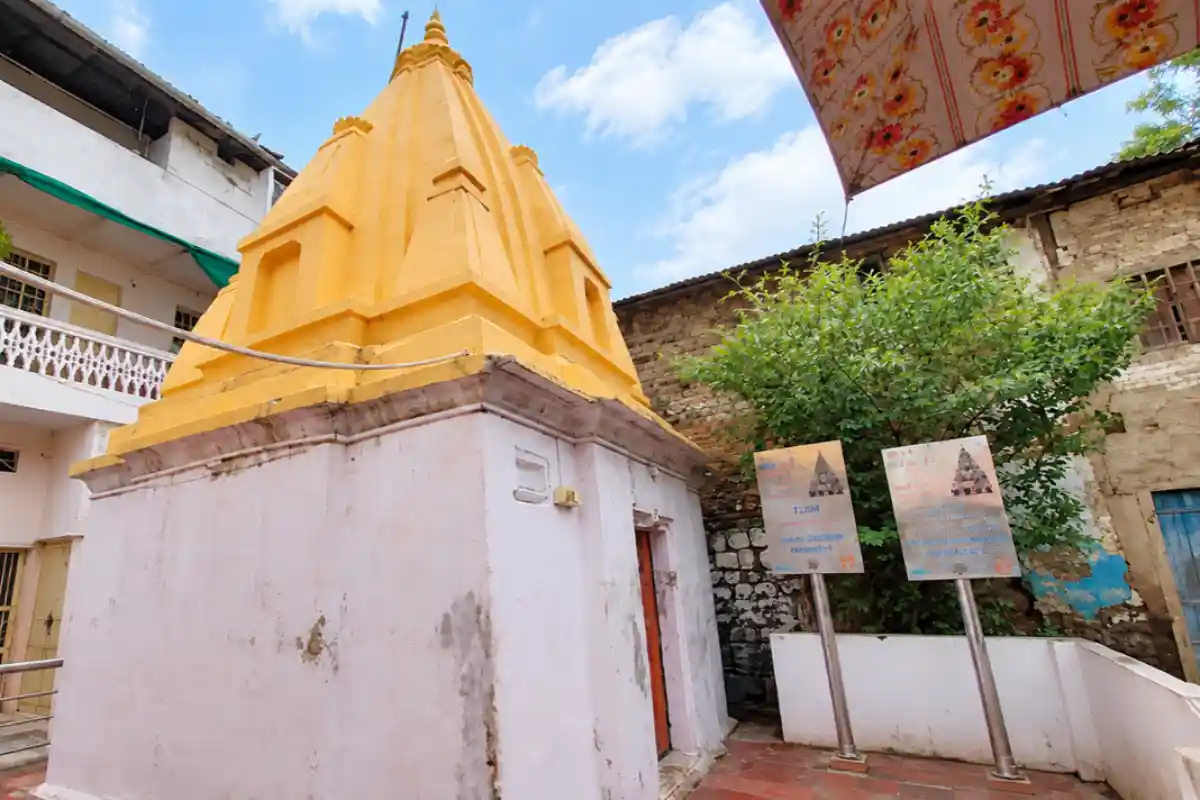
Local tradition places the temple in Patni Bazar, in Modi ki Gali, before the Kho Kho Mata temple.
At a glance
- King Indradyumna falls from heaven when his fame on earth is destroyed.
- The sage Markandeya sends him to a sin-removing linga in Mahakalavana.
- After he worships it, the gods call his fame spotless and name the linga after him.
- The text promises fame, merit and heaven to those who see or worship it.
Indradyumneshwar Mahadev: quick facts
| Topic | Detail |
|---|---|
| Meaning of the name | Lord (Shiva) named for King Indradyumna |
| Deity | Shiva, in linga form |
| Source text | Skanda Purana, Avantya Khanda, Chaturashiti Linga Mahatmya, Chapter 15 (5.2.15), 28 verses |
| Position among the 84 Mahadevs | Fifteenth |
| Narrator and listener | Shiva speaking to Parvati |
| Place in the story | Mahakalavana, near Kalkaleshwar, on the left side |
What is the story of Indradyumneshwar Mahadev in the Skanda Purana?
Shiva opens the chapter by naming the linga:
इंद्रद्युम्नेश्वरं विद्धि शिवं पंचदशं प्रिये ।
यस्य दर्शनमात्रेण यशः कीर्तिश्च जायते ॥
Meaning: know Shiva as Indradyumneshwar, the fifteenth, beloved; by merely seeing him, renown and fame arise (Skanda Purana 5.2.15.1).
The king who fell from heaven
Indradyumna, lord of the earth, guarded the earth as a father guards his own son. He performed many sacrifices with generous fees and went to heaven.
Then his fame on earth was destroyed. Without merit, he fell to the ground suddenly and sat there drowned in grief.
The question in the Himalaya
The king reasoned about what had happened, then went to the Himalaya, where the great sage Markandeya was doing intense penance. He bowed full length before the sage and asked humbly how lasting fame is won, and whether it comes from the fruit of penance.
Markandeya's answer
Markandeya did not tell him to do penance. He said that as long as the king's fame stayed on earth, he would live with the gods, and he told him to go quickly to the excellent Mahakalavana. There, he said, a sin-removing linga already stands:
कल्कलेश्वरदेवस्य समीपे वामभागतः ।
लिंगं पापहरं तत्र समाराधय यत्नतः ॥
Meaning: near the god Kalkaleshwar, on the left side, there is a sin-removing linga; worship it there with effort (Skanda Purana 5.2.15.18).
By worshipping it, Markandeya said, he would gain excellent fame and an eternal place in heaven.
The gods name the linga
The king went and worshipped the linga. The gods and gandharvas, sitting in their celestial vehicles, then told him, "Your fame has become spotless by the worship of this linga." They also gave the linga its name:
अद्यप्रभृति राजेंद्र लिंगं त्वन्नाम नामतः ।
ख्यातिं यास्यति लोकेऽस्मिन्निंद्रद्युम्नेति निश्चितम् ॥
Meaning: from today, O king of kings, this linga will become famous in this world by your name, as Indradyumneshwar; this is certain (Skanda Purana 5.2.15.22).
The gods worshipped the linga themselves and returned to heaven with Indradyumna. Shiva then closes the account, calls it the sin-destroying power of the linga, and says he will tell Parvati of another.
What does the Skanda Purana promise for worshipping Indradyumneshwar Mahadev?
The chapter lists these results:
- Merely seeing the linga brings renown and fame (the opening verse).
- Those who worship it are freed from all sins, go to heaven in wish-granting celestial vehicles, and are praised by gods and sages. Nothing in the world will be hard for them to get.
- Those who visit, whether out of greed or by chance, receive fame, renown, merit and dharma.
- They do not fall from heaven for as long as fourteen Indras last.
- Those who worship especially on the fourteenth lunar day lift up both their mother's and their father's family.
न स्वर्गात्पतनं तेषां यावदिंद्राश्चतुर्द्दश ।
ये च पूजां करिष्यंति चतुर्दश्यां विशेषतः ।
ते कुलं तारयिष्यंति मातृकं पैतृकं सदा ॥
Meaning: they do not fall from heaven for as long as fourteen Indras; and those who worship especially on the fourteenth lunar day will always uplift the family of the mother and of the father (Skanda Purana 5.2.15.26).
Which popular claims about Indradyumneshwar Mahadev don't match the text?
The story of Indradyumneshwar Mahadev is often retold with changes. These are the claims that do not match the Skanda Purana.
| Popular claim | What the Skanda Purana says | Status |
|---|---|---|
| Shiva appeared before the king and became the linga | The linga already stands in Mahakalavana; Shiva does not appear in the story | Contradicts the text |
| The king did severe penance in the Himalaya | Markandeya was doing the penance; the king bowed and asked a question | Contradicts the text |
| Markandeya sent him to worship MahakalShree Mahakaleshwar Jyotirlinga, the heart of Ujjain. | He sent him to the sin-removing linga near Kalkaleshwar, on the left side, in Mahakalavana | Contradicts the text |
| Shiva promised to name the linga after the king | The gods and gandharvas in their celestial vehicles gave the name | Contradicts the text |
| He fell because his merit ran out | He fell when his fame on earth was destroyed, and his merit was gone as well | Partly in the text |
| He was a king of Avanti who built the Jagannath temple | The chapter names no kingdom or city; "mahipati" is a title for a king | Not in the text |
| An owl, a heron and a tortoise appear in the story | They belong to the Mahabharata version; none is in this chapter | Different text |
| The linga cures disease and removes bodily, verbal and mental suffering, fear, stress and negative energy | The text names fame, renown, merit, dharma, freedom from sin, heaven and the uplift of both family lines | Later wording |
| Regular abhishek and special rituals are required | The chapter mentions only worship, adoration and seeing the linga | Not in the text |
How is this Indradyumna different from the Mahabharata and Jagannath kings?
The name Indradyumna belongs to more than one story. Three are easy to confuse.
| Point | Mahabharata, Vana Parva | Jagannath story, Skanda Purana | Ujjain, Skanda Purana 5.2.15 |
|---|---|---|---|
| The king | A royal sage | A king of the Krita Yuga, of the solar line, "of the city of Avanti in the Malava country" | Only called "mahipati," lord of the earth |
| His fall | His virtue diminished and he fell from heaven crying, "My achievements are lost!" | No fall from heaven in the story | His fame on earth was destroyed and his merit was gone |
| Markandeya's role | Does not recognise the king and takes him to an owl | Not central; Narada is the guide | Meets the king in the Himalaya and sends him to Mahakalavana |
| Other characters | The owl Pravarakarna, the heron Nadijangha, the tortoise Akupara | Vidyapati, Nilamadhava, Brahma, Vishwakarma | Gods and gandharvas |
| The end | Akupara recognises the king, and he returns to heaven | The temple is founded at Puri | The king worships the linga and returns to heaven with the gods |
Tagare notes that the Jagannath king is a different Indradyumna from the one who fell from heaven in the Mahabharata. No reliable source links the Jagannath king to the Ujjain shrine.
The Maheshwara Khanda of the Skanda Purana (the Kaumarika Khanda) has another Indradyumneshwar linga, at the confluence of the Mahi river and the sea in Gujarat. That one extends the Mahabharata story. It is a different linga from the fifteenth Mahadev of Ujjain, so do not mix the two.
The Sanskrit of verse 3 reads "dṛṣṭvā," meaning "having seen." The sense of the verse is that the king performed many sacrifices and went to heaven, so the word is probably "iṣṭvā," meaning "having sacrificed." The Sanskrit text of the chapter is not a critical edition, and similar slips can appear elsewhere in it.
The words "chaturdashyam visheshatah" name the fourteenth lunar day as the special day for worship. The chapter names no month, no fortnight and no weekday. Any claim of a fixed Monday or festival rule for this linga is later tradition.
What else do people ask about Indradyumneshwar Mahadev?
Why does losing fame cost the king his place in heaven?
As the king reasons after his fall, heaven is a place to enjoy the fruit of deeds already done. A person stays there as long as the "sound" of that good deed, meaning fame, lasts. Someone whose infamy is sung falls to lower worlds. That is why Markandeya's remedy is about fame.
Is this the Indradyumna who built the Jagannath temple at Puri?
The chapter does not say so. Tagare separates the Jagannath king, a legendary king of Avanti who built the temple at Puri, from the Indradyumna who fell from heaven in the Mahabharata. Chapter 15 describes a fall from heaven, like the Mahabharata one. No reliable source links the Jagannath king to this shrine.
Which kingdom did Indradyumna rule?
The chapter names none. It calls him "mahipati," lord of the earth, and says he guarded the earth as a father guards his own son. That word is a title, not a place. No city or country is named anywhere in the 28 verses, so any kingdom attached to him comes from other stories.
Is today's temple the spot the Purana describes?
The Purana puts the linga in Mahakalavana, near Kalkaleshwar on the left side. Today's Indradyumneshwar temple is identified by tradition, in Patni Bazar. No source proves that its position matches "on the left" of Kalkaleshwar, so the match between the text and the shrine is a matter of faith.
Why is Indradyumneshwar the fifteenth in Ujjain's 84 Mahadev order?
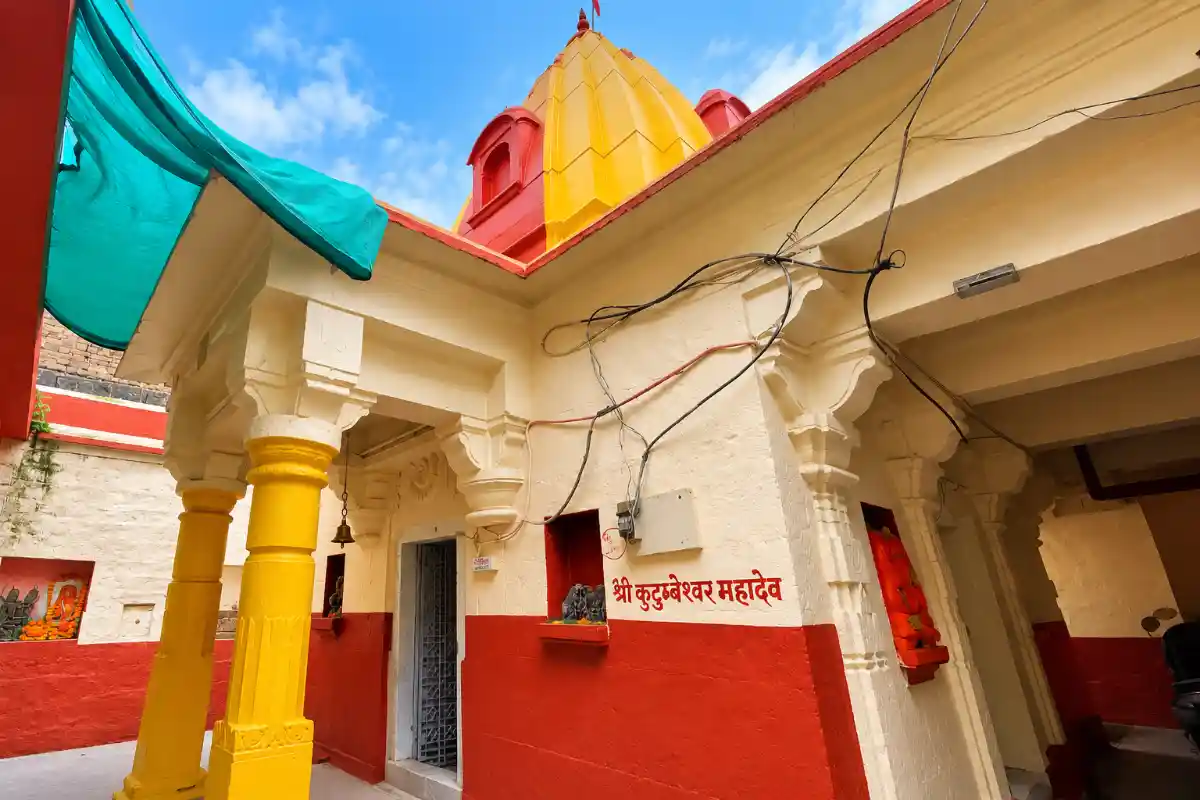
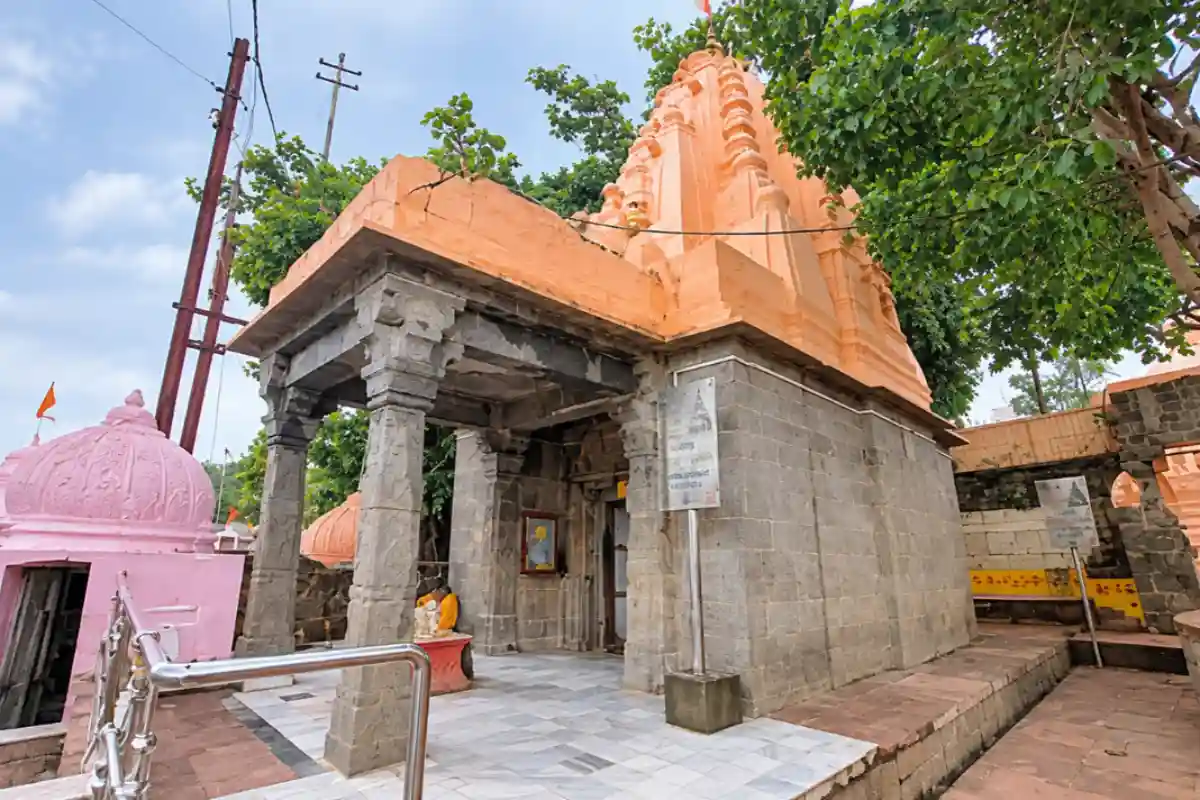
The Sanskrit text of chapter 15 itself calls the linga "panchadasham," the fifteenth. The tirtha name list (5.1.70) carries the same run: one famous as Kameshwar, thereafter Kutumbeshwar, the famous Indradyumneshwar, thereafter Ishaneshwar.
Chapter 15 has 28 verses. Its last line invites the listener to hear another account, and chapter 16 follows. For the full sequence, see the complete guide to Ujjain's 84 Mahadev temples.
Which linga comes after Indradyumneshwar in the 84 Mahadevs?
The next chapter, 16, is Ishaneshwar. Kutumbeshwar, the 14th, comes just before.
Comments
No comments yet. Be the first to share your thoughts!
Leave a Comment