

Why Mahakaleshwar Temple Ujjain Is Unique — Standing on the banks of the sacred Shipra River, Ujjain is not just a city — it’s a living pulse of faith, history, and devotion. Known as Mahakal’s City, this ancient pilgrimage hub is home to the revered Mahakaleshwar Temple, one of the twelve Jyotirlingas dedicated to Lord Shiva.
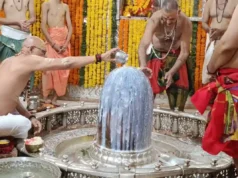
What makes this shrine extraordinary is its south-facing Shiva Lingam, symbolizing Mahakal — the Lord of Time, who watches over the direction of death and transformation. Every day, thousands of pilgrims arrive here seeking divine blessings, spiritual energy, and moksha (liberation).
Beyond its deep spiritual essence, the temple represents the living heritage of India — where ritual, architecture, and faith merge into a continuous expression of devotion.
What Is Mahakaleshwar Temple?
The Mahakaleshwar Temple is among India’s most ancient and powerful shrines dedicated to Lord Shiva as Mahakal, the “Great Timekeeper.” Counted among the twelve self-manifested Jyotirlingas, it symbolizes the infinite light and cosmic power of Shiva.
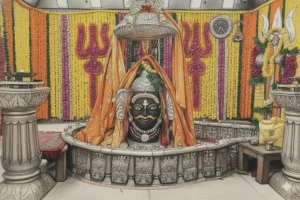
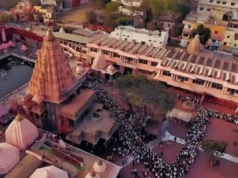
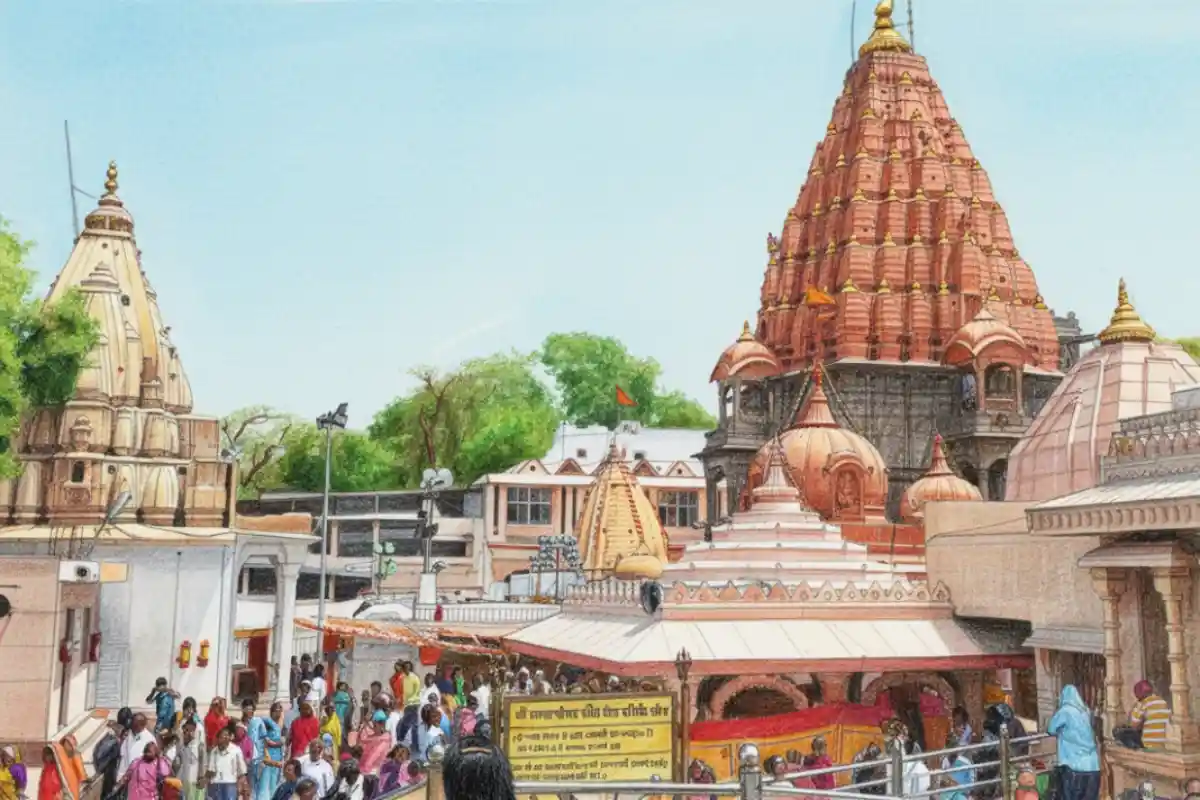
Located in the heart of Ujjain, Madhya Pradesh, the temple’s architecture combines Maratha, Bhumija, and Chalukya styles, featuring a towering Shikhara (spire), intricate stone carvings, and vibrant wall paintings — all reflecting centuries of devotion and craftsmanship.
The temple’s true uniqueness lies in its south-facing Lingam — the only one of its kind. According to Shiv Puran, the southern direction represents death (Yama’s domain), and only Lord Shiva as Mahakal has the authority to face it, protecting devotees from untimely death and guiding them toward liberation.
What Makes Mahakal’s City Unique
The uniqueness of Ujjain lies in its unbroken rhythm of spirituality. From dawn to dusk, the air resonates with the chant of “Har Har Mahadev.” The Mahakaleshwar Temple stands as the only south-facing Jyotirlinga in the world — a rare symbol of Shiva’s supreme power over time and death.
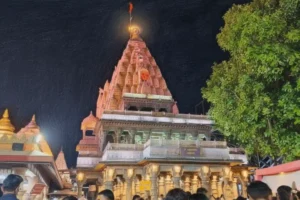
Ujjain is also woven into ancient legends. As per the Shiv Puran, Lord Shiva manifested here to destroy the demon Dushana and protect his devotee Chandrasena. This divine event sanctified Ujjain as a Shakti Kendra — a spiritual epicenter where cosmic energy and devotion converge.
Over millennia, emperors like Vikramaditya and poets like Kalidasa have hailed Ujjain as a cosmic capital of wisdom, time, and enlightenment.
Visitor Guide: Darshan Timings, Entry Rules & Dress Code
For devotees and first-time visitors, planning your darshan (holy visit) properly ensures a smooth and meaningful experience.
Darshan Timings: The temple opens early at 4:00 AM with the Bhasma Aarti — a sacred ash ritual that marks the awakening of Lord Mahakal. Regular darshan hours continue until 11:00 PM, with breaks for pujas and rituals throughout the day.
To attend the Bhasma Aarti, you must book in advance through the official Mahakaleshwar website, as entries are limited and require identity verification.
Entry & Booking: Entry to the temple is free for general darshan, though special passes are available for VIP Darshan, Bhasma Aarti, and Abhishek Puja. Online booking helps you skip the queue, especially on Mondays, Maha Shivratri, and Shravan month.
Dress Code: Respectful attire is mandatory inside the temple:
- Men should wear dhoti or traditional Indian wear (pants and shirts allowed for regular darshan).
- Women are advised to wear sarees, salwar-kameez, or modest ethnic dresses.
- Avoid shorts, sleeveless tops, or western casual wear.
- Shoes, belts, and mobile phones must be left in lockers near the entrance.
Photography: Photography and videography are strictly prohibited inside the Garbhagriha (inner sanctum) to preserve sanctity. You may capture exterior temple views from outside the restricted area.
How to Reach & Where to Stay near the Temple
Ujjain is well connected and easy to reach, making it one of India’s most accessible pilgrimage destinations.
By Train: Ujjain Junction is connected to all major Indian cities including Indore (55 km), Bhopal, Delhi, and Mumbai. Frequent trains like Avantika Express and Malwa Express stop here.
By Air: The nearest airport is Devi Ahilya Bai Holkar Airport, Indore, about 55 km away. From the airport, taxis or government buses take roughly 60–90 minutes to reach Ujjain.
By Road: State and private buses connect Ujjain to Indore, Bhopal, and other Madhya Pradesh cities. NH-52 provides smooth access if traveling by car.
Where to Stay: From budget guesthouses to luxury hotels, accommodations around the temple cater to every pilgrim’s need.
- Budget stays: Hotel Shikhar, Yogini Guest House (₹600–₹1200/night)
- Mid-range: Hotel Atharva, Hotel Imperial Grand (₹1500–₹2500/night)
- Luxury: Anjushree Resort, Rudraksh Club & Resort (₹4000–₹8000/night)
For devotees who wish to stay close to the temple, many Dharamshalas offer simple, clean rooms within walking distance of the shrine.
Architecture and Sacred Symbolism
The temple reflects a blend of Maratha, Chalukya, and Bhumija architectural styles. Its towering Shikhar (spire), carved pillars, and stone pathways narrate centuries of devotion. The main sanctum houses the self-manifested (Swayambhu) Shivlinga, which is said to radiate divine energy.
The underground chambers and multiple shrines dedicated to Parvati, Ganesh, Kartikeya, and Nandi reflect the temple’s spiritual ecosystem. Every detail—from the sacred bell sounds to sandalwood fragrance—creates a timeless atmosphere that connects body, mind, and soul.
Special Rituals: The Bhasma Aarti & Night Aarti
Among all rituals, the Bhasma Aarti is the soul of Mahakaleshwar’s worship. It begins at 4:00 AM when priests offer sacred ash (bhasma) to Lord Shiva, symbolizing the transient nature of life. The aarti is performed with intense chants, fire lamps, and rhythmic drums — creating a mystical atmosphere that feels timeless.
To witness this aarti:
- Book online at least a day in advance.
- Arrive by 2:30 AM to clear security checks.
- Follow the dress code (men must be bare-chested with dhoti; women in sarees).
- Photography or mobile phones are not allowed inside.
The Night Aarti (Shayan Aarti), held around 10:30 PM, marks the resting of the deity. The serene glow of oil lamps and echoing chants create a deeply meditative atmosphere. It’s less crowded than the morning aarti and offers a more peaceful experience.
Festivals and Celebrations
Ujjain comes alive during Mahashivratri, when the temple is decorated with flowers and lamps. The city witnesses processions, bhajans, and special darshans throughout the night. Every 12 years, the Simhastha Kumbh Mela transforms Ujjain into the epicenter of world spirituality, drawing saints, yogis, and millions of devotees to the Shipra River for the sacred bath.
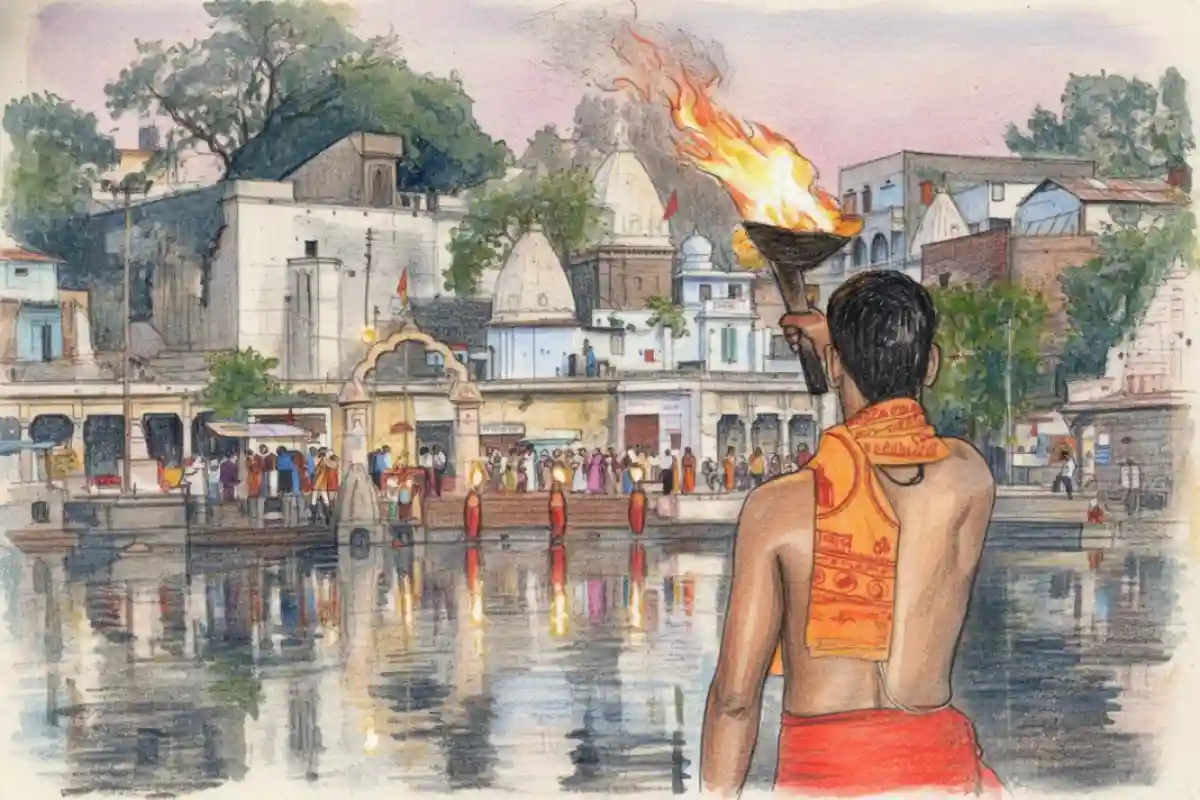
Other important occasions include Shravan month rituals, Pradosh Vrat, and Nag Panchami celebrations.
Tips for First-Time Pilgrims & Family Visitors
- Plan Early Morning Visits: The temple is less crowded between 5 AM and 7 AM. Avoid weekends and Mondays if you want shorter queues.
- Use the Official Booking Website: For Bhasma Aarti or VIP Darshan, always use the official site to avoid scams.
- Travel Light: Leave valuables, phones, and leather items outside; only carry essentials.
- For Families with Kids or Seniors: Use the special entry lane for elderly and differently-abled visitors. Strollers are not allowed; carry infants in arms.
- Stay Hydrated & Comfortable: Summers (March–June) can be hot, so carry water and light cotton clothes. Winter mornings can be chilly.
- Combine Sightseeing: Extend your stay to visit Ram Ghat, Sandipani Ashram, and the Jantar Mantar Observatory — each holds spiritual and historical importance.
- Best Time to Visit: The temple sees its spiritual peak during Mahashivratri and Shravan month (July–August), though these periods are crowded. For calmer visits, October to February is ideal.
Exploring Beyond the Temple
Ujjain is part of India’s Sacred Geography — one of the four cities that host the Kumbh Mela (Simhastha) every 12 years. The Ram Ghat on the Shipra River transforms into a sea of saffron robes and flickering lamps during festivals.
For short side trips, devotees can explore:
- Omkareshwar Jyotirlinga (140 km) — another of Shiva’s twelve sacred shrines.
- Maheshwar (150 km) — known for its serene Narmada ghats and handloom sarees.
- Indore (55 km) — a bustling food hub and gateway to Ujjain.
Together, these destinations form the “Sacred Triangle of Madhya Pradesh,” blending spirituality, heritage, and hospitality.
Cultural Significance: The Living Heritage of Ujjain
Ujjain’s spiritual aura extends far beyond the temple. In ancient times, it was the capital of the Avanti Kingdom and a center of astronomy and education. The Vedha Shala (Jantar Mantar), built by Raja Jai Singh II, still tracks celestial movements — connecting the city’s spiritual and scientific past.
Poets like Kalidasa found inspiration in Ujjain’s moonlit nights and sacred ghats, while saints like Adi Shankaracharya reinforced its status as a major Shaivite center. Even today, the rhythmic chants of “Har Har Mahadev” blend with temple bells at dawn, reminding every visitor of Ujjain’s timeless devotion.
Ujjain is not merely a destination; it’s an awakening. Whether you’re a pilgrim, a traveller, or a seeker of history and peace, Mahakaleshwar Temple offers an experience that transcends time. The divine resonance of the Bhasma Aarti, the calm flow of the Shipra River, and the echoes of ancient chants together make Ujjain the eternal city of Mahakal.
FAQs about Mahakaleshwar Temple Ujjain
1. Why is the Mahakaleshwar Shivling in Ujjain facing south?
It symbolizes Lord Shiva as the conqueror of time and death. The south represents Yama (the god of death), and only Mahakal can face that direction.
2. What time does Bhasma Aarti start?
It begins at 4:00 AM daily. Devotees must register online in advance and reach the temple by 2:30 AM for security clearance.
3. Is photography allowed inside the temple?
No. Photography and videography are strictly prohibited inside the Garbhagriha, but you can take photos of the outer temple structure.
4. What should I wear for darshan?
Men should wear traditional dhoti or Indian wear, and women should wear sarees or salwar suits. Avoid western or revealing clothing.
5. Are foreigners allowed for darshan?
Yes, visitors from all countries are welcome, provided they follow the dress code and temple rules.
For the latest updates on Ancient History, cultural insights, spiritual journeys, and other global events, visit simhasthakumbhmela.com first.
What are your thoughts on the meaning of “Kumbh” and its connection to the Kumbh Mela? Share your views in the comments below and don’t forget to share this article with others!