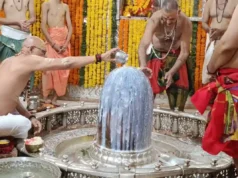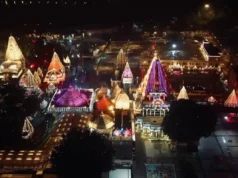


When Faith Meets the Flow of Shipra — The Kumbh at Shipra River in Ujjain is not merely a festival—it is an ocean of faith where millions unite in pursuit of spiritual purification. Held every twelve years, the Kumbh at Shipra, also known as the Simhastha Kumbh Mela, transforms the quiet city of Ujjain into the world’s largest spiritual congregation. With the next grand event scheduled for Simhastha 2028, preparations have already begun to welcome devotees from across the globe.
Rooted in ancient mythology, this gathering celebrates the timeless belief that a dip in the Shipra River cleanses one’s sins and opens the door to moksha, or liberation.
Origin and Significance of Kumbh at Shipra
According to Hindu scriptures, the legend of the Kumbh originates from the Samudra Manthan—the cosmic churning of the ocean by gods and demons in search of the nectar of immortality (Amrita). When the divine pitcher spilled, drops of the nectar fell upon four earthly locations: Haridwar, Prayagraj, Nashik, and Ujjain.
Ujjain, lying along the Tropic of Cancer, holds astronomical and spiritual importance. The Kumbh here is celebrated when Jupiter (Guru) enters Leo (Simha Rashi), hence the name Simhastha Kumbh. The Shipra River, flowing beside the Mahakaleshwar Temple, becomes the sacred site for ritual bathing (Shahi Snan).
The Sacred Shipra River and Its Ghats
The Shipra is more than a river—it is a lifeline of Ujjain’s faith. The city’s banks are lined with over 30 ghats, each echoing centuries of spiritual energy.
Prominent Ghats for the Holy Dip
- Ram Ghat – the central and most visited ghat, known for the grand Shahi Snan procession.
- Mangalnath Ghat – associated with planetary worship and cosmic alignment.
- Siddhavat Ghat – believed to grant salvation to ancestors.
- Bhukhi Mata Ghat – known for serene sunrise rituals and smaller gatherings.
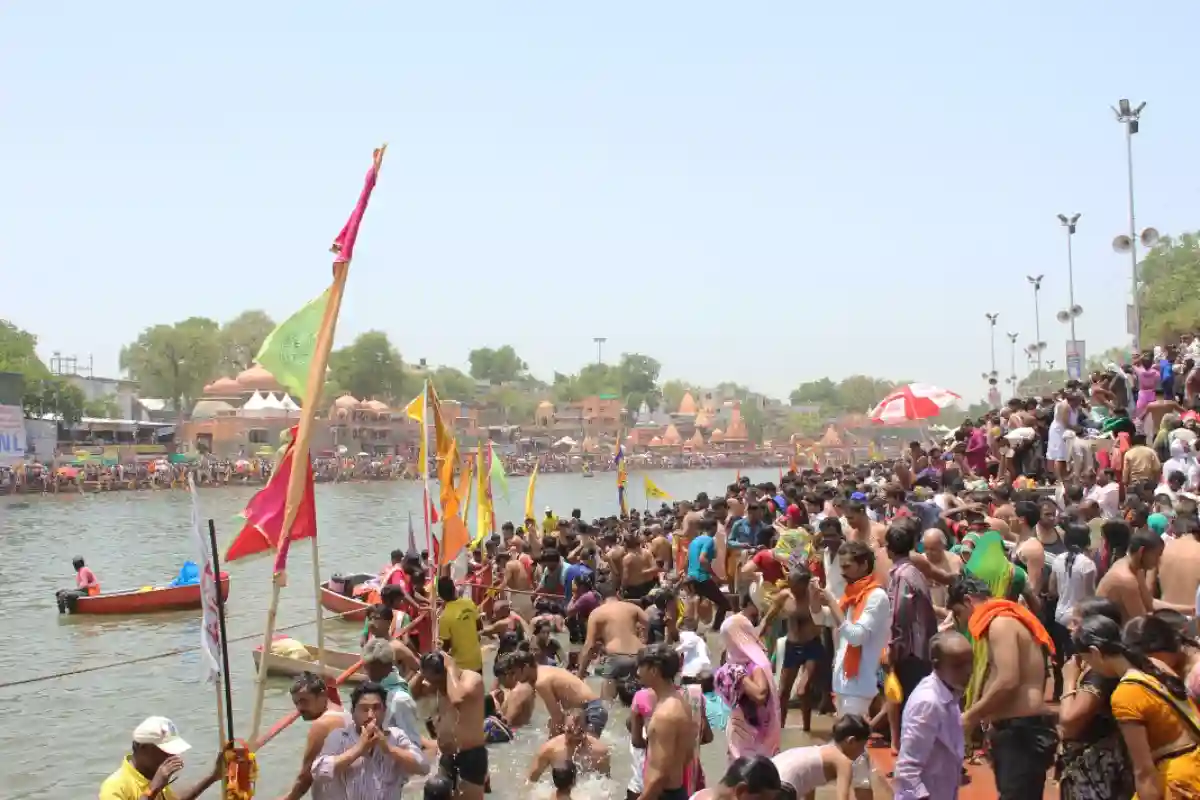
During Simhastha, these ghats illuminate with lamps, chants, and millions of devotees performing rituals from dawn to dusk, creating one of the most visually stunning spiritual scenes in the world.
The Shahi Snan: Heart of the Kumbh Experience
The Shahi Snan, or Royal Bath, marks the most auspicious days of the Kumbh Mela. On these days, Akhara Sadhus—representing ancient monastic orders—lead majestic processions toward the river.
With saffron flags waving, the sound of conch shells, and the chanting of mantras, these processions symbolize the triumph of faith over materialism. Pilgrims believe that bathing after the Akharas sanctifies the river and magnifies the spiritual benefit of the dip.
Each Simhastha has about 4–5 major bathing dates, determined by astrological alignment. The government releases these dates months in advance for safe planning.
How to Reach Ujjain and Plan Your Kumbh Journey
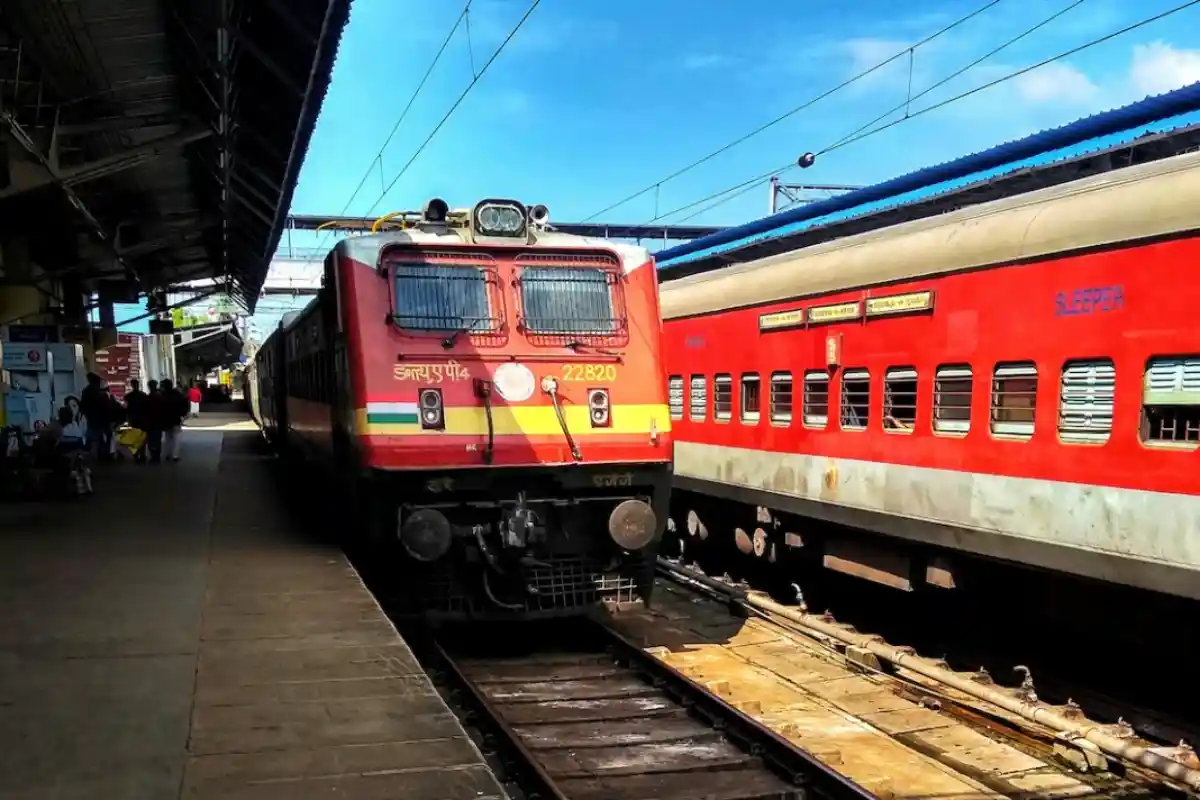
Ujjain is easily accessible via air, rail, and road. The nearest airport is Devi Ahilyabai Holkar Airport in Indore (55 km). Direct trains and special pilgrimage coaches connect Ujjain with Delhi, Mumbai, and Varanasi.
Travel and Stay Tips
- Accommodation: From dharamshalas to luxury tents, options cater to all budgets. Booking early is crucial during peak days.
- Local Transport: Shuttle buses and e-rickshaws operate continuously between ghats.
- Safety: Pilgrims should follow police instructions and avoid overcrowded areas during Shahi Snan.
- What to Carry: Light cotton clothes, reusable water bottles, basic medicines, and identification documents.
Cultural Landscape of the Simhastha
Beyond its religious significance, Kumbh at Shipra is a cultural spectacle. The Mela Grounds host nightly bhajans, classical dance performances, spiritual discourses, and exhibitions by various Hindu Akhadas.
Food stalls serve simple yet soulful satvik meals, while artisans display handcrafted souvenirs symbolizing devotion. Visitors also witness international participation—spiritual seekers from dozens of countries join in meditative and environmental activities, emphasizing India’s message of “Vasudhaiva Kutumbakam” (the world is one family).
Environmental & Infrastructure Efforts on the Shipra
The Government of Madhya Pradesh has launched an ambitious Shipra River Rejuvenation Plan ahead of Simhastha 2028. Water treatment plants, solid-waste management, and ghats’ restoration projects are underway.

Environmental NGOs and volunteer groups regularly conduct clean-up drives and awareness campaigns to maintain the river’s sanctity.
This green initiative ensures that the upcoming Kumbh Mela becomes not only the largest spiritual event but also one of the most sustainable in modern times.
Impact of the Kumbh at Shipra
Economically, the Simhastha Kumbh Mela boosts Ujjain’s tourism and local employment. In 2016, over 75 million pilgrims attended, generating thousands of jobs in hospitality, transport, and infrastructure sectors.
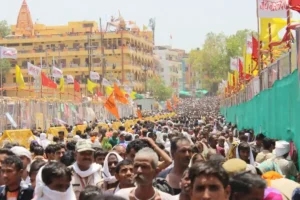
Culturally, it strengthens Ujjain’s global identity as the City of Mahakal and reinforces faith in collective spirituality. The Shipra’s banks serve as a timeless reminder that devotion and discipline can flow together in harmony.
Faith Flowing Beyond Time
The Kumbh at Shipra is more than a periodic event—it is an unbroken tradition connecting the material and spiritual worlds. Every drop of the Shipra reflects devotion, discipline, and the eternal quest for purity.
As Simhastha 2028 approaches, Ujjain prepares once again to host the world in an ocean of faith. Whether you are a pilgrim, traveler, or seeker, the call of the Shipra River awaits—inviting you to witness the divine confluence of belief and eternity.
FAQs About Kumbh at Shipra
1. When is the next Kumbh Mela at Shipra River?
The next grand event, Simhastha 2028, will take place when Jupiter enters Leo (Simha Rashi). Official bathing dates will be released by the Madhya Pradesh Tourism Board.
2. Why is Ujjain chosen for the Kumbh?
Mythologically, one drop of Amrita (immortal nectar) fell on Ujjain’s soil, making it a sacred site. Astronomically, it aligns with planetary transitions, enhancing its spiritual energy.
3. Which are the most important ghats for the holy bath?
Ram Ghat, Mangalnath Ghat, Siddhavat Ghat, and Bhukhi Mata Ghat.
4. How can pilgrims ensure safety during the event?
Follow official crowd-control advisories, avoid restricted zones, and use designated bathing slots.
5. What are the environmental measures in place?
River water monitoring, waste segregation, eco-toilets, and plastic-free zones are being enforced under the Shipra Clean-Up Mission.
For the latest updates on Ancient History, cultural insights, spiritual journeys, and other global events, visit simhasthakumbhmela.com first.
What are your thoughts on the meaning of “Kumbh” and its connection to the Kumbh Mela? Share your views in the comments below and don’t forget to share this article with others!