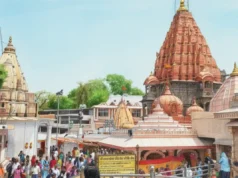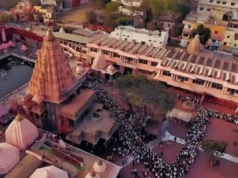


Ujjain — Where Faith Meets the Divine- On the sacred banks of the River Shipra stands Ujjain — The City of Divinity, a place that has carried the flame of spirituality for thousands of years. Known for its timeless connection to devotion and the divine, Ujjain — The City of Divinity and Eternal Faith is not merely a destination but an experience where mythology, history, and spirituality merge. Every street hums with temple bells, every dawn begins with chants, and every devotee finds a path toward inner peace..
For centuries, this city has been a magnet for pilgrims, sages, and seekers — all drawn by its divine energy and the presence of Mahakaleshwar Jyotirlinga, one of the most revered shrines of Lord Shiva.
The Meaning Behind “City of Divinity”
The title “City of Divinity” reflects Ujjain’s rare balance of physical, spiritual, and cosmic energy. Ancient scriptures describe Ujjain as a place where the earthly and the divine converge. The city’s alignment with the Tropic of Cancer and its association with time measurement through the Vedh Shala (observatory) further highlight its cosmic significance.
Here, divinity is not abstract — it’s visible in daily rituals, the fragrance of incense near temple corridors, and the sound of conch shells at the ghats of the Shipra. To understand Ujjain is to experience divinity woven into the rhythm of ordinary life.
Historical & Mythological Roots of Ujjain
The Ancient Avanti and Its Cultural Legacy
Ujjain, known in antiquity as Avanti, was one of India’s most advanced urban centers during the Mahajanapada period. It flourished as a hub of learning, astronomy, and trade, linking north and south India through ancient routes.
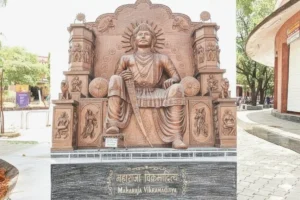
Great scholars like Varahamihira and poets like Kalidasa called this city home, shaping Ujjain’s intellectual identity and leaving behind an enduring legacy of art and literature.
Myths that Sanctified Ujjain
According to Hindu mythology, during the Samudra Manthan — the churning of the cosmic ocean — a few drops of nectar of immortality (Amrit) fell on Ujjain, making it eternally sacred. Another legend states that Lord Shiva appeared here as Mahakal, the destroyer of time, to protect his devotees.
These stories turned Ujjain into a living myth — a place where time bends before faith, and the divine manifests in tangible form.
Temples Defining Ujjain’s Divine Identity
Mahakaleshwar Jyotirlinga — The Soul of Ujjain
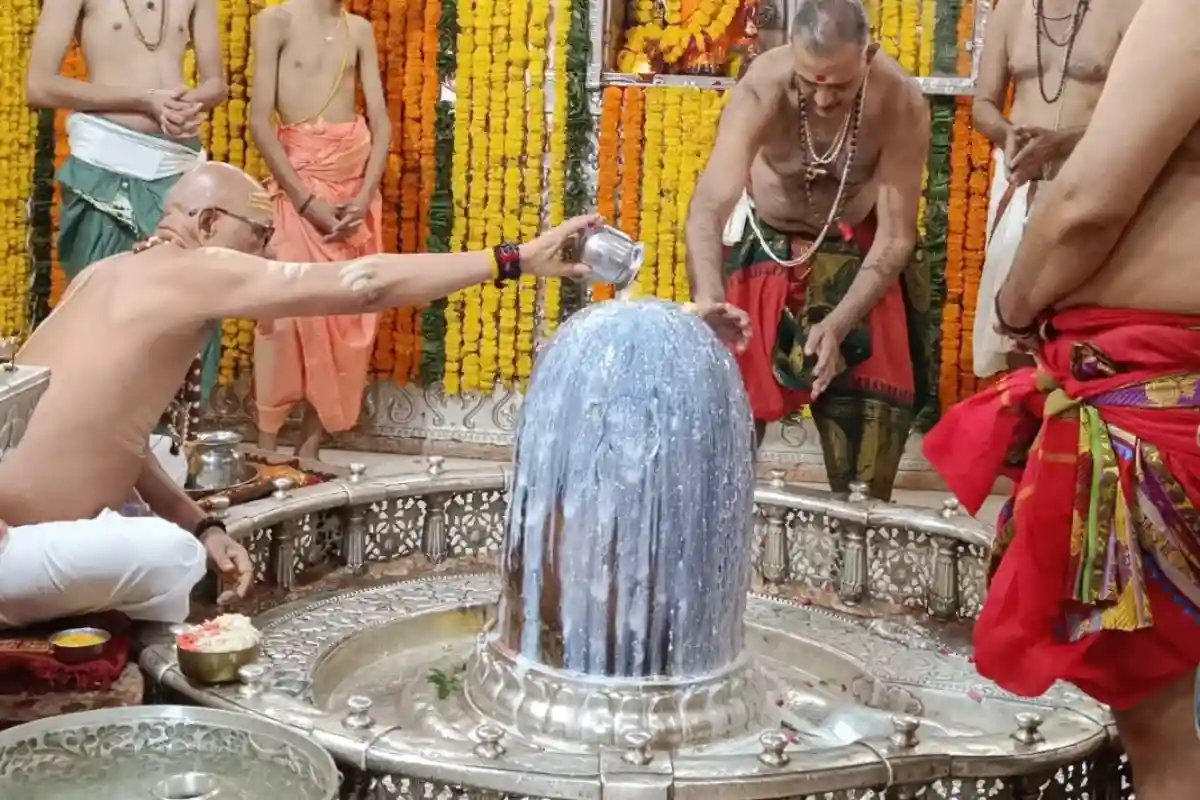
The Mahakaleshwar Temple is not only Ujjain’s spiritual heart but also one of the twelve Jyotirlingas in India. Devotees believe a darshan here liberates the soul from the cycle of birth and death. The Bhasma Aarti, performed every morning with sacred ash, symbolizes the destruction of ego and rebirth in consciousness.
Architecturally magnificent and spiritually magnetic, Mahakaleshwar represents the timeless link between Shiva and his devotees.
Other Temples that Illuminate the City
Beyond Mahakal lies an array of sacred shrines — the fierce Kal Bhairav Temple, where offerings of liquor are made; the Chintaman Ganesh Temple, believed to remove obstacles; and the Harsiddhi Temple, devoted to Shakti. Each temple narrates a unique story of faith, reinforcing Ujjain’s identity as a city where every deity finds a home.
Living the Spiritual Experience in Ujjain
The Ghats of Shipra River
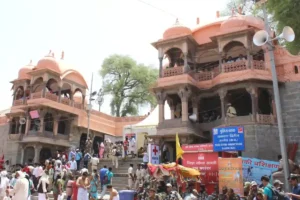
The ghats of the Shipra River form the soul of Ujjain’s spiritual experience. Devotees gather here for holy dips, believing that the river cleanses sins and purifies the spirit. During the Kumbh Mela, millions assemble on these banks — turning Ujjain into the largest spiritual congregation on Earth.
Spiritual Tourism & Wellness
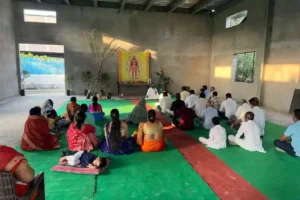
Modern Ujjain blends ancient faith with spiritual wellness. Yoga retreats, meditation centers, and cultural tours help visitors connect with both the divine and themselves. This shift positions Ujjain as not only a pilgrimage city but also a center for holistic rejuvenation.
Planning Your Visit to the Ujjain — The City of Divinity
- Best Time: October to March offers pleasant weather and major festivals.
- How to Reach: Ujjain is well-connected by rail from Indore, Bhopal, and Delhi. The nearest airport is Indore (56 km).
- Where to Stay: From temple guesthouses to heritage hotels, accommodation suits every budget.
- Local Tips: Respect temple dress codes, avoid leather inside shrines, and attend the Bhasma Aarti at dawn for a lifetime experience.
Experience the Divinity Yourself
Ujjain is not just a city — it’s a living embodiment of India’s spiritual DNA. Every visit leaves a trace of tranquility, every ritual teaches surrender, and every temple tells the same eternal story: divinity is not found, it’s felt.
If you seek peace, wisdom, or faith, let Ujjain be your next destination — the City of Divinity that awakens the soul.To truly understand its sanctity, explore ancient Indian temple architecture and sacred geography that defines Ujjain’s divine aura and spiritual significance.
FAQs
1.Why is Ujjain called the City of Divinity?
Because it houses some of India’s most sacred temples, including Mahakaleshwar Jyotirlinga, and is associated with the cosmic legend of Amrit falling on its soil — a belief deeply rooted in Hindu mythology and the Puranic traditions of Shiva worship.
2.What are the main temples to visit in Ujjain?
Mahakaleshwar, Kal Bhairav, Harsiddhi, Chintaman Ganesh, and Mangalnath Temple.
3.Is Ujjain good for spiritual retreats?
Yes, several yoga and meditation centers near Shipra and in Mahakal areas offer spiritual programs.
4.When is the best time to visit Ujjain?
Winter months (Oct–Mar) and during Simhastha Kumbh Mela or Shivratri festivals.
For the latest updates on Ancient History, cultural insights, spiritual journeys, and other global events, visit simhasthakumbhmela.com first.
What are your thoughts on the meaning of “Kumbh” and its connection to the Kumbh Mela? Share your views in the comments below and don’t forget to share this article with others!