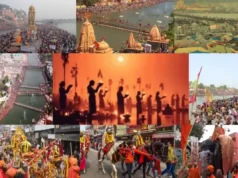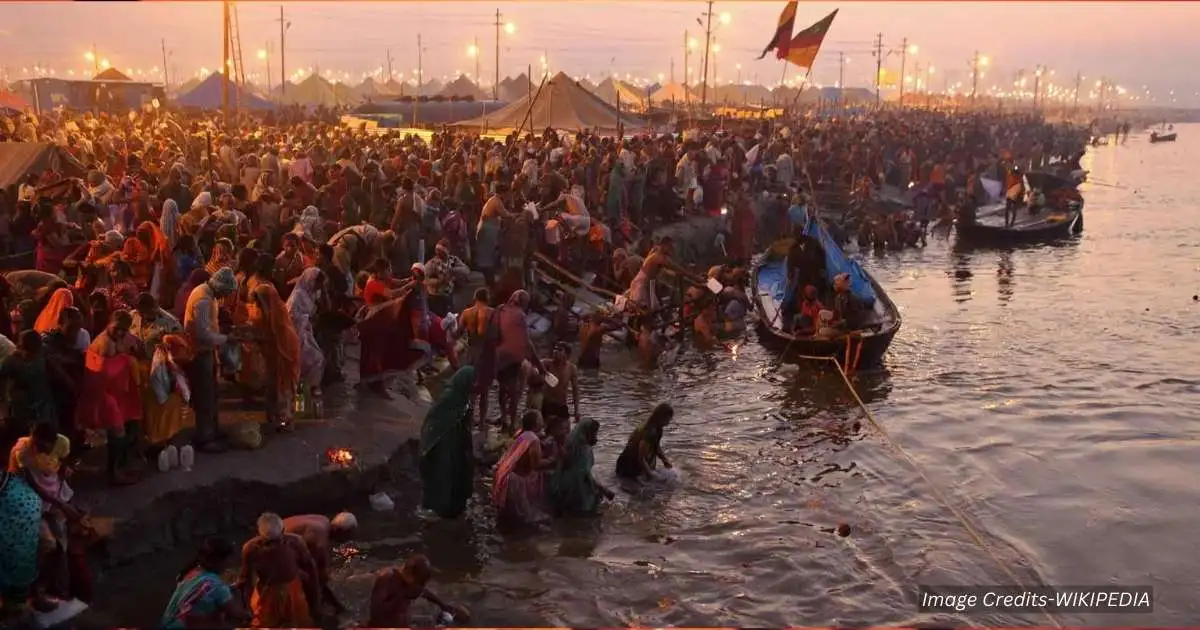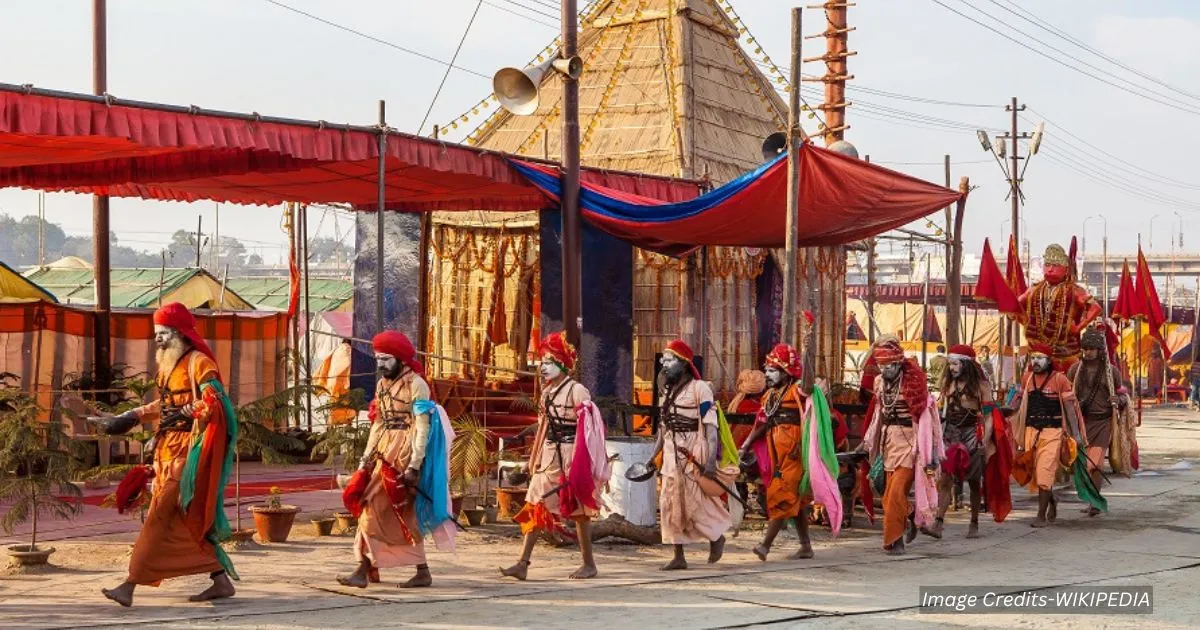


The Kumbh Mela is the world’s largest spiritual gathering, drawing millions to Prayagraj, Haridwar, Nashik, and Ujjain. Rooted in Hindu mythology, it commemorates the Samudra Manthan, where amrita (nectar) fell at these sites. Pilgrims believe that ritual bathing grants moksha. Recognized by UNESCO, it boosts tourism and is managed with AI, vast sanitation, and healthcare facilities.
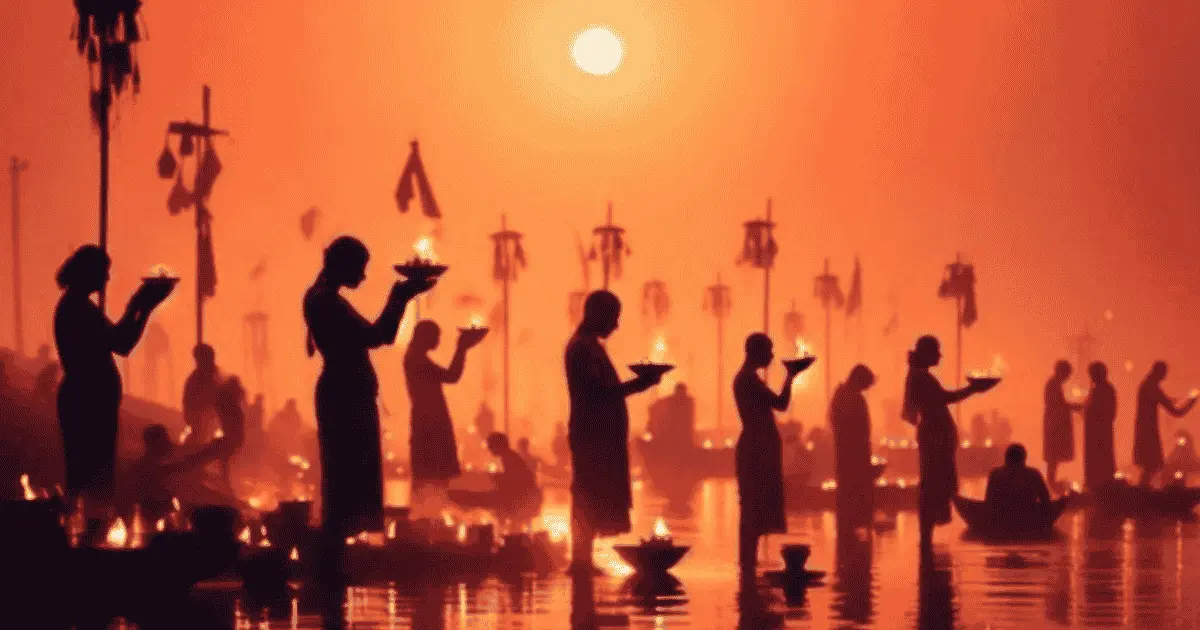
The Kumbh Mela is the world’s largest spiritual gathering, attracting millions of pilgrims to four sacred river sites in India—Prayagraj, Haridwar, Nashik, and Ujjain. Rooted in ancient Hindu traditions, this festival is a unique blend of devotion, culture, and logistics. Pilgrims believe that bathing in these holy rivers during the Kumbh Mela cleanses sins and grants liberation (moksha) from the cycle of rebirth.
Historical Origins
The Kumbh Mela’s origins trace back to the Samudra Manthana (churning of the ocean) legend, where drops of the nectar of immortality (amrita) fell at four river sites. While ancient texts mention bathing rituals, the term “Kumbh Mela” emerged in the 19th century under British colonial influence. Today, it happens every 12 years, with the latest Maha Kumbh ending February 26, 2025, in Prayagraj.
Sacred Rituals
- Shahi Snan: The royal bath by Naga Sadhus (ascetics) marks the festival’s spiritual peak.
- Pilgrim Bathing: Devotees perform rituals like mundan (head shaving) and offer prayers before taking a dip.
- Feasts and Charity: Community meals (mahaprasada) and food donations (anna dana) are integral to the festival.
Cultural and Social Impact
- UNESCO Recognition: Inscribed as an Intangible Cultural Heritage of Humanity in 2017.
- Global Media: Documentaries by National Geographic, BBC, and films in Bollywood and Bengali cinema have showcased its grandeur.
- Economic Boost: The festival generates significant revenue for local economies through tourism and trade.
Modern Management
- Temporary Cities: Built to accommodate millions, with 122,000 toilets, 800+ trains, and AI surveillance. The 2025 Maha Kumbh had vast facilities, including sanitation, trains, and AI surveillance
- Health Services: 24/7 clinics, ambulances, and disease surveillance ensure safety.
- Crowd Control: Advanced planning prevents stampedes and ensures smooth pilgrim movement.
To illustrate the scale, here is a table summarizing key management statistics for the 2025 Maha Kumbh Mela:
| Aspect | Details |
|---|---|
| Area Covered | 4,000 hectares |
| Tents | 150,000 |
| Police Deployment | 40,000 officers |
| Road Length | Over 450 km |
| Parking Facilities | 1,850 hectares |
| Health Services | 24/7 clinics, ambulances, central hospital |
This table highlights the event’s logistical complexity, ensuring a safe and efficient experience for pilgrims.
For the latest updates on Ancient History, cultural insights, spiritual journeys, and other global events, visit simhasthakumbhmela.com first.
Have you experienced the Kumbh Mela? Share your thoughts below! Your comments help build our community.