

The Living Traditions of the Kumbh — The Kumbh Mela is often described as the world’s greatest human gathering, but such a description hardly captures its spiritual magnitude. For countless generations, this sacred congregation has evolved into a living scripture—an unfolding text of rituals, discipline, community, and divine order. In many ways, these timeless practices form the very essence of what scholars refer to as the Chapters of Faith, a tapestry of traditions that define the soul of the Kumbh. Every twelve years, the Kumbh transforms an ordinary city into a cosmic landscape where time slows, chants rise into the sky, and millions of devotees move with a singular intention: purification, liberation, and communion with the divine.
Chapters of Faith—explores those aspects of the Kumbh that give this festival its soul. Three foundational elements shape the spiritual atmosphere of every Kumbh Mela:
(1) the eternal rituals performed daily on the riverbanks,
(2) the presence and spiritual authority of the ancient Akharas, and
(3) the magnificent bathing processions, culminating in the Shahi Snan.
Together, these chapters reveal how an ancient Vedic order continues to guide millions even today. They show us that Kumbh is not just an event—it is a spiritual ecosystem built upon discipline, lineage, philosophy, and deeply preserved cultural memory.
From the stillness of Brahma Muhurat to the thunder of nagadas announcing the arrival of Naga sadhus, from solitary parikrama to the electrifying Peshwai procession, each act reflects a dharmic tradition passed down unchanged for thousands of years. This is the Kumbh’s true strength—not innovation, but continuity.
Rituals of the Kumbh: The Eternal Practices of Devotion
Rituals form the backbone of the Kumbh Mela. Without rituals, the Kumbh would lose its meaning, for every ritual—whether performed privately by a devotee or publicly by thousands—connects the pilgrim to the myth of Samudra Manthan and the divine nectar (Amrit) whose drops sanctified the four Kumbh cities.
These rituals are not merely symbolic gestures; they reflect astronomical principles, Vedic codes of purity, psychological discipline, and spiritual surrender. Performed with utmost serenity and accuracy, they elevate the Kumbh from a festival into a transformative pilgrimage.
Shahi Snan: The Soul of the Kumbh
The Shahi Snan, or Royal Bath, is the most important and spiritually potent ritual of the Kumbh. Its timing is determined by rare planetary alignments involving Jupiter, the Sun, and the Moon—alignments believed to open cosmic channels of purification.
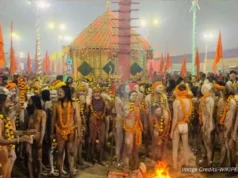
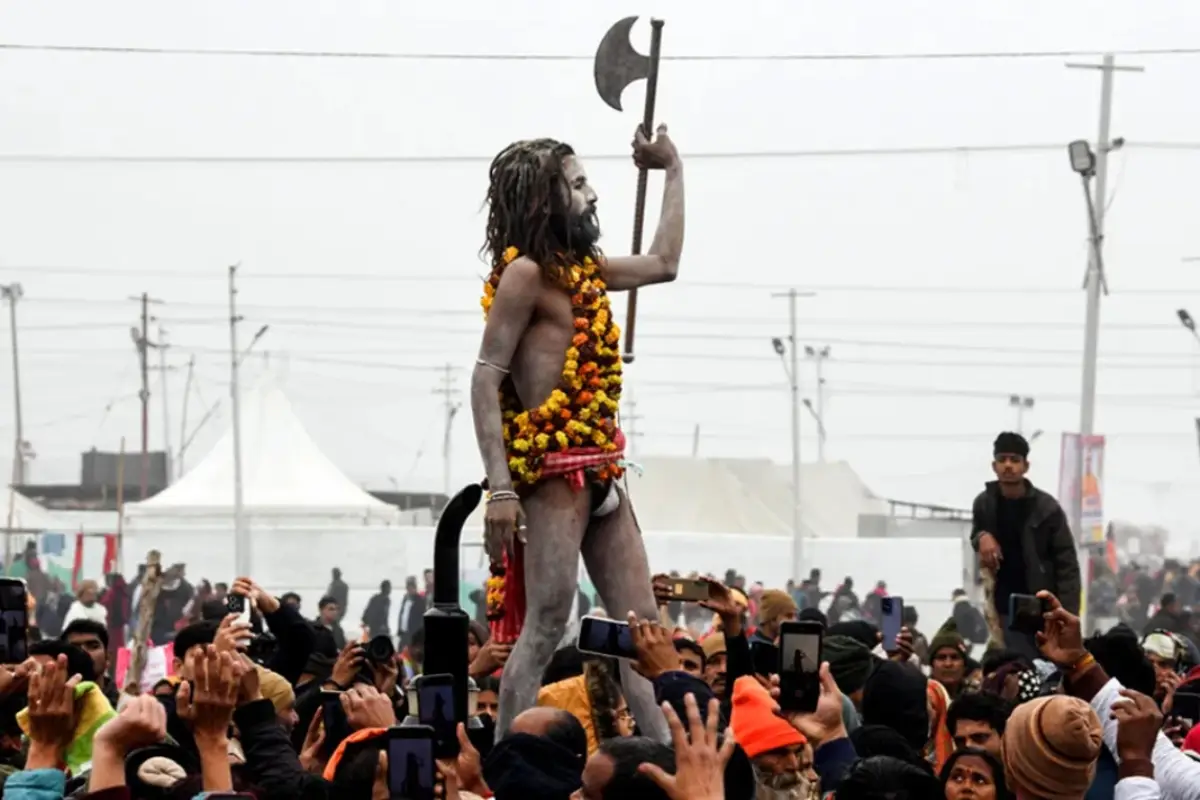
When saints, Mahamandaleshwars, and Naga sadhus enter the river at dawn, the sight is nothing short of majestic. Drenched in ash, holding tridents and flags, they walk with intense discipline and childlike surrender. The air reverberates with mantras and damaru beats.
For ordinary devotees, witnessing the saints bathe is itself considered a blessing equal to performing the ritual. The belief is simple yet profound: the river becomes a medium of karmic cleansing when touched by the collective faith of millions and the tapasya of ascetics.
Brahma Muhurat Rituals: Awakening at the Hour of the Gods
The true spiritual heartbeat of the Kumbh begins long before sunrise. At Brahma Muhurat—between 3:30 AM and 5:30 AM—the ghats come alive with silent devotion. The river reflects the first glimmer of light, and the early morning breeze carries a sacred stillness.
Devotees begin their day with:
- Pratah-Snan (early morning dip)
- Gayatri chanting
- Meditation
- Pranayama
- Surya Arghya (offering water to the Sun)
- Sandhya Vandana (twilight prayers)
This period is considered the most sattvic time of the day. Ancient scriptures say that one moment of meditation in Brahma Muhurat equals hours of spiritual effort during other times.
Ganga/Shipra Aarti: A Ritual of Light and Reverence
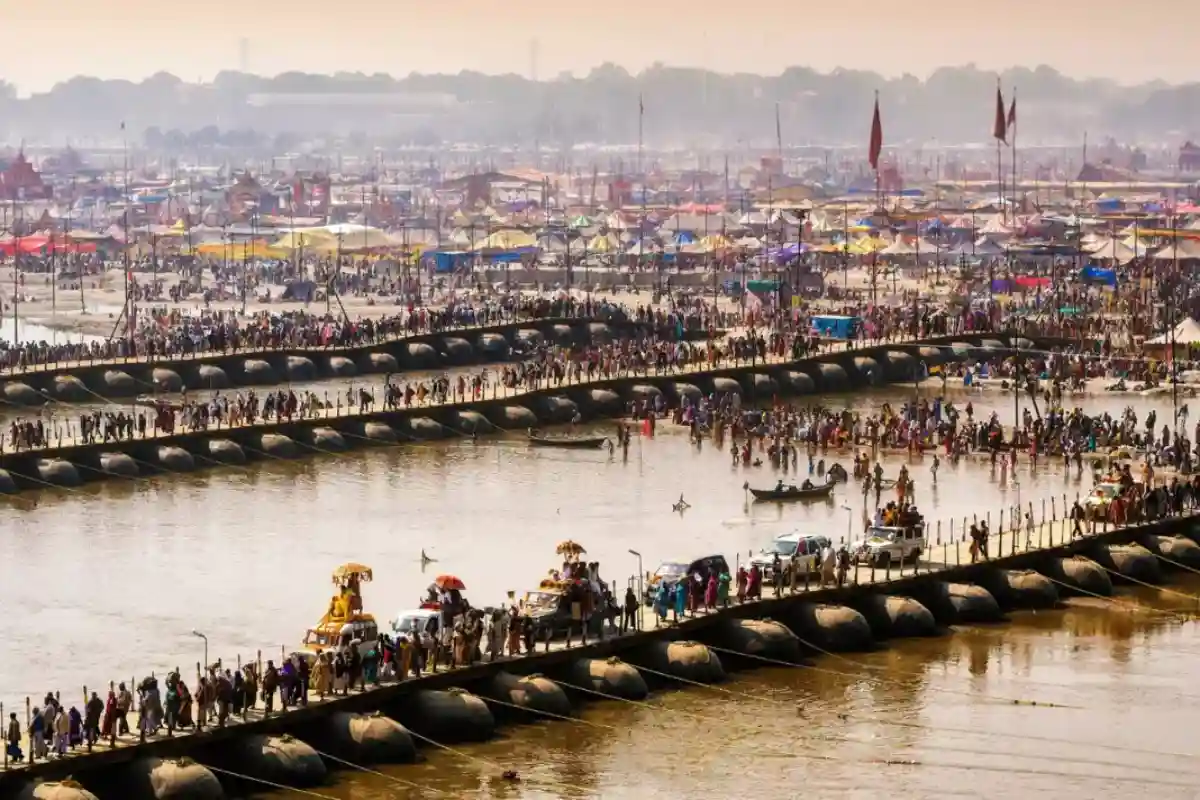
Every evening, as the sun sets behind the ghats, thousands gather for the river Aarti. Priests stand in synchronised motions holding multi-tiered brass lamps, chanting Vedic mantras. Flames rise and descend rhythmically, illuminating the darkening waters.
The symbolism is powerful:
the river is not just a water body but a living goddess, a cosmic mother who nourishes life. Offering light to her is an act of gratitude and surrender.
For many pilgrims, the Aarti becomes the emotional highlight of their Kumbh journey.
Yajnas and Homas: Sacred Fire as a Cosmic Bridge
Throughout the Kumbh, yajnas and homas are performed in Akhara camps, temples, and community areas. These rituals invoke Agni, the fire-god, who acts as a divine messenger carrying prayers to higher realms.
Offerings of ghee, grains, and herbs represent the surrender of ego, desires, and negativity. The rising smoke symbolizes liberation, while the chants purify the surrounding environment.
Yajnas often focus on:
- World peace
- Protection from negativity
- Ancestral blessings
- Environmental harmony
- Collective wellbeing
Deep Daan: Lighting the River of Faith
Deep Daan is one of the most beautiful and emotionally moving rituals of the Kumbh. After sunset or early morning, devotees float small oil lamps on the river. Each diya carries a prayer—some for ancestors, some for peace, some for hope.
As thousands of lamps drift across the river, the entire landscape glows with a divine radiance. It is a reminder that even a small flame can dispel vast darkness when offered with devotion.
Parikrama: Walking the Path of Surrender
Parikrama—circumambulation of sacred ghats, temples, or Akhara perimeters—is a deeply symbolic act. Walking barefoot, devotees chant mantras, focusing on humility, surrender, and alignment with dharma.
This movement represents the eternal cycle of life, reminding pilgrims that spiritual progress is achieved one humble step at a time.
Sankalpa: The Inner Promise
Before performing any major ritual, devotees take a Sankalpa—a solemn vow. This intention creates inner clarity and prepares the mind for spiritual transformation. Whether the Sankalpa is for forgiveness, healing, ancestral peace, or moksha, it binds the devotee to their purpose.
Spiritual Gurus & Akharas: The Guardians of Dharma
No element of the Kumbh Mela is more iconic than the Akharas—the ancient monastic orders that uphold the traditions of Sanatan Dharma. Their presence gives the Kumbh its spiritual gravitas, philosophical depth, and disciplined order.
Each Akhara is a complete world in itself: a place of learning, yoga, meditation, tapasya, scripture, and martial tradition. Over centuries, they have preserved teachings that would otherwise have been lost to time.
The Heritage of the 13 Akharas
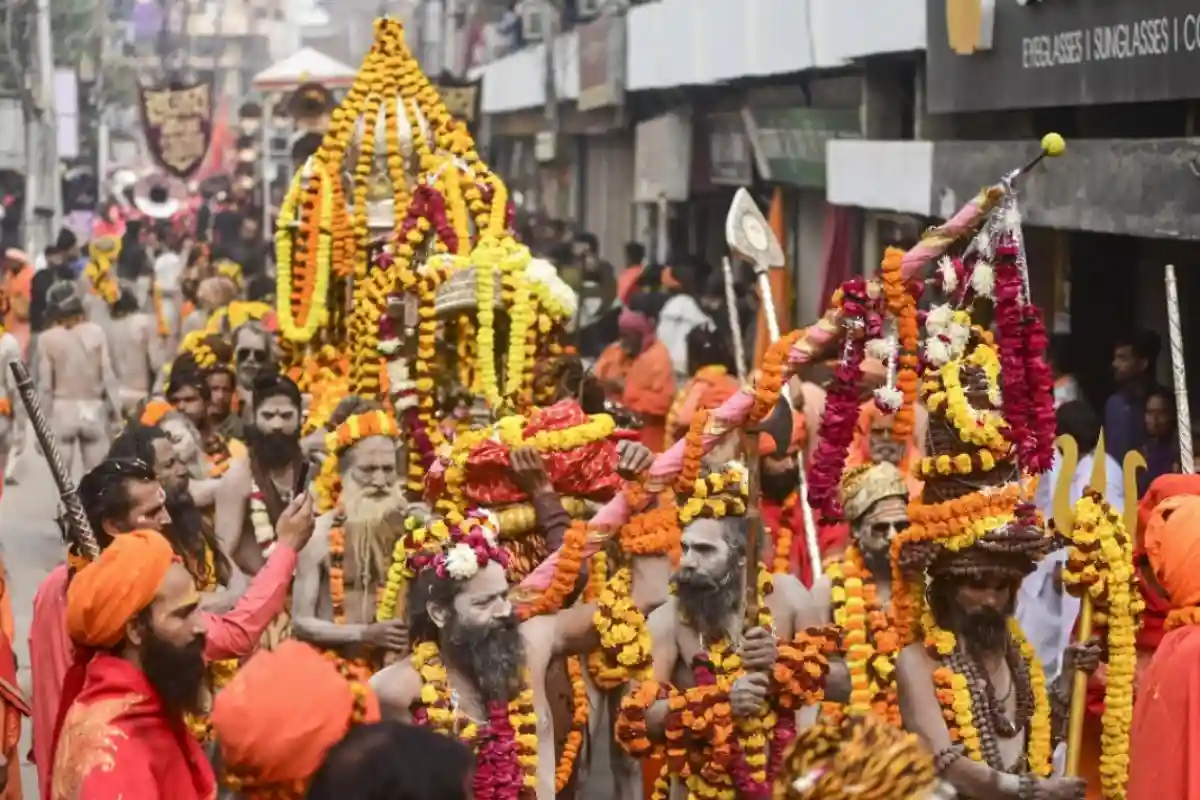
The Akharas are traditionally grouped into three major categories:
1. Shaiv Akharas – Dedicated to Lord Shiva
These Akharas are known for their intense tapasya, martial discipline, and Naga traditions.
Major Shaiv Akharas:
Juna
Niranjani
Mahanirvani
Atal
Avahan
Agni
Shaiv Akharas play the most prominent role in the Shahi Snan and lead the major processions.
2. Vaishnav Akharas – Devotees of Lord Vishnu
These Akharas emphasize devotion, scripture, and community guidance.
Important Vaishnav Akharas:
Nirmohi
Digambar
Shri Panch
Their camps focus on satsang, kirtan, and spiritual discourses.
3. Udasi Akharas – Rooted in the Teachings of Sri Chand
Founded by Sri Chand, the son of Guru Nanak, Udasi Akharas represent a unique blend of devotion, renunciation, and disciplined asceticism.
They include:
Naya Udasin
Puratan Udasin
Udasis play a quiet yet profound spiritual role in the Kumbh.
Akhara Hierarchy: The Structure of Discipline
Inside an Akhara, discipline is absolute. The hierarchical system ensures order, respect, and continuity of tradition.
Naga Sadhus
The most visible representatives of the Akharas. Having renounced all attachments, they embody spiritual fearlessness. They lead the Shahi Snan, symbolizing the triumph of renunciation over ignorance.
Mahants
Senior monks responsible for internal administration, decision-making, and guiding disciples.
Shree Mahants
Hold higher authority and oversee rituals, branches, and scriptural responsibilities.
Acharyas
Teachers of philosophy, scripture, and ritual sciences.
Mahamandaleshwars
Highly respected leaders who guide thousands of followers and uphold the legacy of their Akharas.
Role of Saints and Gurus During Kumbh
Spiritual leaders play a vital role in shaping the devotional atmosphere of the Kumbh. They conduct discourses, provide guidance, resolve doubts, and inspire millions through their presence. Their camps become centers of knowledge, hosting discussions on dharma, meditation, ethics, and the purpose of human life.
Peshwai: The Royal Entry of Akharas
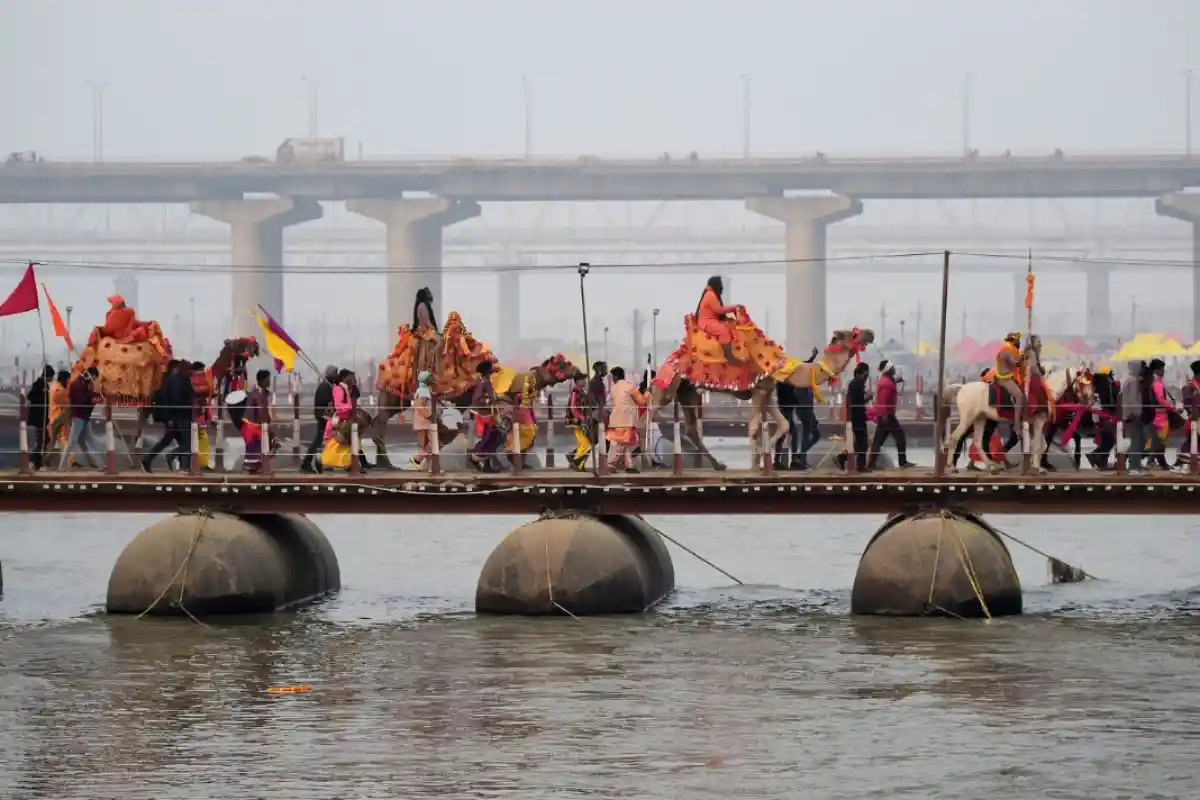
Peshwai is one of the grandest spectacles of the Kumbh. It marks the ceremonial entry of Akharas into the Kumbh city. Elephants, horses, decorated chariots, drums, conches, flags, and thousands of sadhus march in disciplined formation.
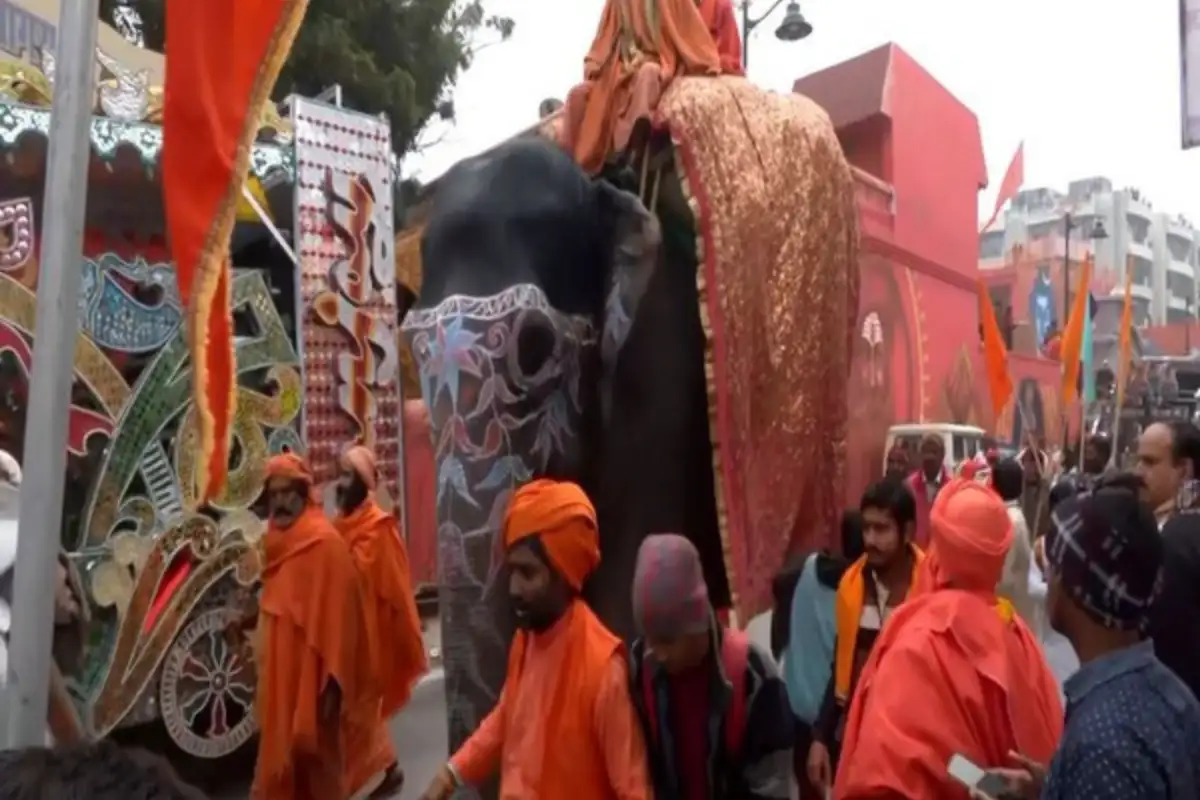
The order of movement is based on ancient precedence, strictly followed even today. Naga sadhus lead the procession, representing purity and spiritual victory.
Bathing & Processions: The Sacred Movements of Faith
While rituals and Akharas form the essence of the Kumbh, it is the bathings and processions that give the festival its visible grandeur. These movements transform the Kumbh from a spiritual gathering into a visual celebration of devotion, unity, and divine order.
Shahi Snan: A Cosmic Convergence
The Shahi Snan is not merely a bath—it is a cosmic event. The precise timing reflects astronomical calculations believed to enhance spiritual potency. For saints and devotees alike, entering the river during the Shahi Snan is a symbolic rebirth.
As the Akharas march toward the ghats, the atmosphere bursts with energy. Conches, bells, chants, damaru beats, and the disciplined steps of ascetics create a rhythm that synchronizes thousands into a single spiritual heartbeat.
Peshwai: The Procession of Spiritual Majesty
The Peshwai procession is the grandest movement of the Kumbh. It is a declaration that the Akharas have arrived to sanctify the festival.
The procession includes:
- Decorated elephants
- Horses
- Flags and dhvajas
- Nagadas and dhols
- Saints on palanquins
- Naga sadhus leading the charge
The roads become rivers of saffron, echoing with chants and blessings.
Order of Procession: The Unbroken Law of Tradition
The sequence of Akharas in the procession is a sacred rule established centuries ago. Senior-most Akharas move first, followed by others in hierarchical order. This structure reflects not privilege, but respect for lineage and ancient dharmic law.
Symbolism of Ritual Objects
Every object carried in the procession holds deep spiritual meaning:
Trishul
Symbol of destruction of negativity.
Dhvaja (Akhara Flag)
Represents honor, authority, and identity.
Shankha (Conch)
Purifies the environment and invokes divine vibrations.
Damaru
Symbol of cosmic sound and creation.
The Music of Devotion
Traditional musical instruments—nagadas, dhols, shenai, conches, bells—create an atmosphere charged with spiritual energy. These sounds are not mere celebration; they are vibrations believed to purify the mind, awaken the heart, and connect the crowd to the divine.
Spiritual Meaning of the Processions
Every movement in the procession reflects:
- Unity
- Discipline
- Inner control
- Brotherhood
- Protection of dharma
These processions remind the world that spirituality is not only inward-facing; it also demands discipline, structure, and shared purpose.
The Timeless Heart of the Kumbh
Chapters of Faith—captures the essence of what makes the Kumbh Mela a spiritual phenomenon like no other. It is here that rituals flow with the rhythm of the river, where Akharas maintain their ancient traditions, and where grand processions narrate the story of India’s dharmic identity.
At the Kumbh, every sunrise begins with purity and every sunset ends with surrender. From the floating diyas to the echoing conches, from the silence of parikrama to the thunder of Peshwai, each moment becomes a step in India’s eternal spiritual journey.
The Kumbh is not just an event—it is a living heritage, preserved through rituals, strengthened by saints, and illuminated by the devotion of millions.
The Kumbh is not just an event—it is a living heritage, preserved through rituals, strengthened by saints, and illuminated by the devotion of millions. In many ways, its continuity reflects deeper cultural frameworks recorded across India’s sacred landscape, including insights found in ancient records of cultural preservation that highlight how traditions survive through collective memory and disciplined practice.
FAQ
1. What is the significance of the Shahi Snan in the Kumbh Mela?
The Shahi Snan is the most spiritually important ritual of the Kumbh Mela. Performed on astrologically powerful dates, it is believed to cleanse all past karmas and grant spiritual liberation. When Akharas and Naga sadhus lead the bath, the ritual becomes even more potent because their tapasya and renunciation sanctify the river. Witnessing the Shahi Snan is also considered meritorious, as the spiritual vibration of the moment affects everyone present, a belief echoed in historical studies on sacred river traditions that document how ritual baths have shaped spiritual practices across centuries.
2. Why are Akharas central to the spiritual identity of the Kumbh Mela?
Akharas are ancient monastic institutions that preserve the traditions of Sanatan Dharma—including meditation, scripture, martial discipline, and renunciation. Their presence at the Kumbh brings spiritual authority, order, and continuity. The arrival of Akharas during Peshwai, their leadership in Shahi Snan, and their role in guiding devotees make them the guardians of dharmic heritage.
3. What daily rituals do devotees perform during the Kumbh Mela?
Devotees follow a series of rituals beginning at Brahma Muhurat, including Pratah-Snan, Gayatri Japa, meditation, Surya Arghya, Sandhya Vandana, Yajnas, Deep Daan, and Parikrama. These practices connect the pilgrim to the festival’s deeper spiritual purpose—purification, devotion, and inner transformation. Each ritual is rooted in Vedic tradition and reflects cosmic order.
4. What is the meaning of the Peshwai procession in the Kumbh?
Peshwai marks the grand ceremonial entry of Akharas into the Kumbh city. Decorated elephants, horses, drums, flags, and thousands of sadhus march together in perfect discipline. The procession symbolizes the beginning of the sacred festival, the unity of spiritual lineages, and the authority of the monastic orders. It also reaffirms centuries-old traditions of hierarchy and dharmic precedence.
5. Why do devotees perform Deep Daan and Parikrama during the Kumbh?
Deep Daan represents the offering of light to the divine river, symbolizing the removal of darkness and the expression of hope, remembrance, and devotion. Parikrama involves walking around sacred ghats, Akhara camps, or temples, reflecting humility and surrender. Both rituals are simple yet powerful practices that allow devotees to participate deeply in the spiritual vibration of the Kumbh.
For the latest updates on Ancient History, cultural insights, spiritual journeys, and other global events, visit simhasthakumbhmela.com first.
What are your thoughts on the meaning of “Kumbh” and its connection to the Kumbh Mela? Share your views in the comments below and don’t forget to share this article with others!